 International SEO
International SEO Checklist
Dec 04, 2020
· 3 min read
Where translations become local businesses: the commerce layer, the identity layer, the texture layer - and the thirty-minute native audit.
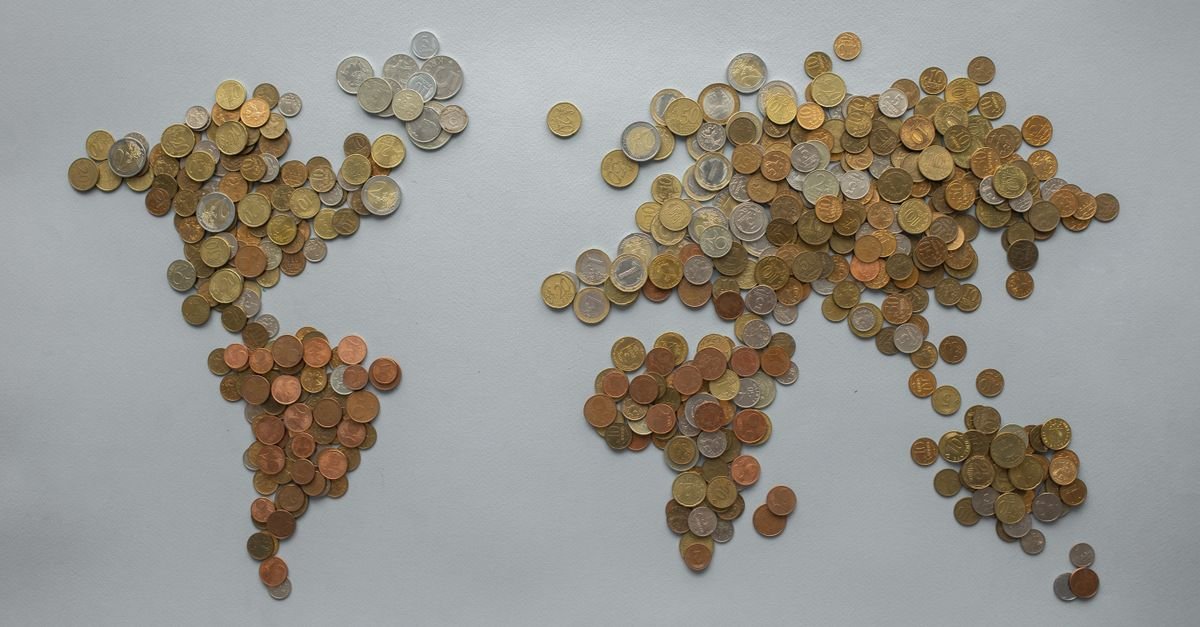
Localisation past language is where international versions stop being translations and start being local businesses online: currency, formats, addresses, payment marks, legal furniture and cultural texture — the signal layer that tells buyers "this store expects you" and tells engines which market a section genuinely serves, per the evidence-based targeting era. It's cheap work with compounding returns (conversion and rankings from one pass), and it's the layer half-finished international sites most visibly lack. Here's the complete inventory.
Examples and references from the market (case studies, testimonials and imagery that read local — the US-suburbs stock photo on a German page is small dissonance at scale), seasonal alignment (the peak calendar re-derived per market — holidays, sale seasons and weather invert across hemispheres), social proof from local platforms and review ecosystems the market actually checks, and the vocabulary layer beyond translation — the market's own terms per the re-origination rule, in trust copy especially. The audit method for all of it: a native's thirty-minute "what feels foreign?" pass per market annually — the cheapest UX research in international operations, drawing on the same native pool the content tiers already retain.
Both doors again: the evidence layer feeds country association (the signals that replaced the dropdown), local-vocabulary text matches local queries, and the engagement gap of foreign-feeling pages runs the usual indirect wiring. Conversion pays it back first and fastest — the ranking corroboration compounds behind.
Never — false local presence is trust debt that surfaces at checkout or support anyway, and fabricated addresses cross into the policy territory local search polices. Localise honestly to your actual operating model (international brand serving the market well beats fake-local serving it deceptively) and add presence markers as operations genuinely grow.
The commerce layer first (currency/payments/shipping — the abandonment killers), formats second (an afternoon of template work), texture as content naturally refreshes — the same money-pages-first triage as every layer of this silo. And localisation's ceiling is the familiar one: a perfectly localised page still ranks on the market pair — content at the local bar and authority in the local web (our layer).
Every site on BacklinksMedia is verified, priced upfront and ready to order.
Growth engineer at BacklinksMedia, working on outreach analytics and the verified link marketplace.
International SEO
 International SEO
 International SEO