 Ecommerce SEO
Ecommerce SEO Checklist
Oct 08, 2020
· 3 min read
Where every ranking gets cashed or refunded: the funnel audit, the fixes with real evidence, and the testing discipline versus redecoration.
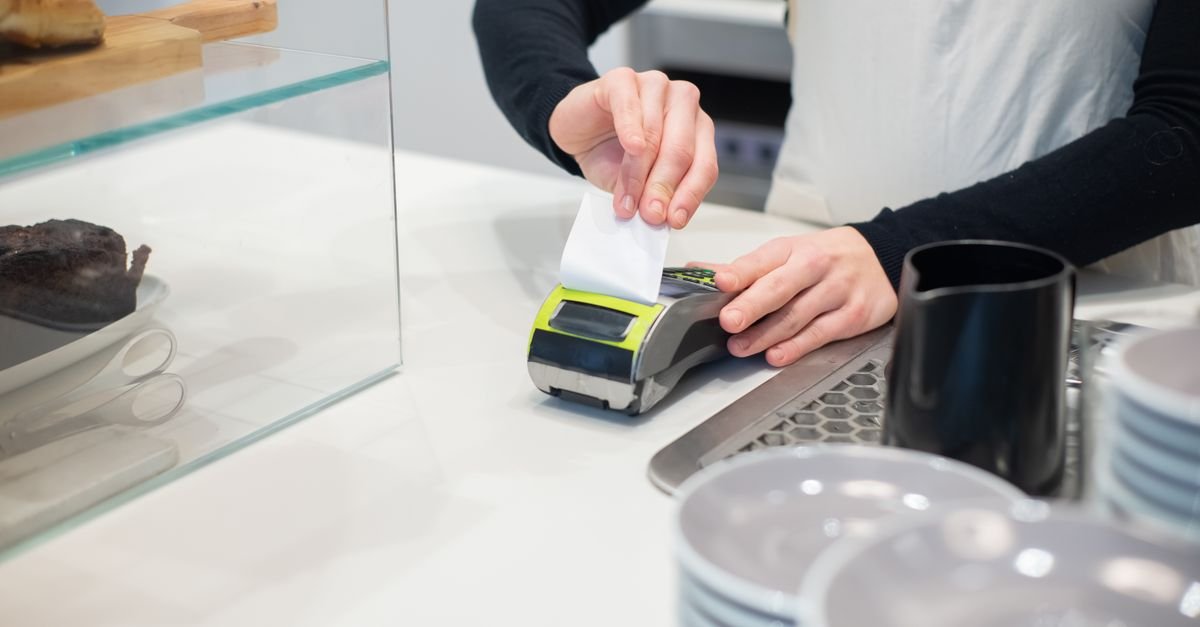
Conversion optimization is where every ranking this silo builds gets cashed or refunded — traffic × conversion is the store's only equation, and doubling the second factor costs less than doubling the first more often than SEO people like to admit. This is the basics guide: the conversion audit any store can run this week, the fixes with the strongest evidence behind them, and the testing discipline that separates optimization from redecoration.
The funnel in analytics — category → product → cart → checkout → paid — read for its worst stage-to-stage drop against the store's own history (absolute benchmarks mislead across niches; your trend is the instrument, per the usual honesty rules). The diagnostic pairing per stage: product pages leaking → trust and information gaps (the content layer, reviews, shipping clarity); cart abandonment → surprise costs and forced friction (the two causes every abandonment study crowns); checkout leakage → form length, account walls, payment gaps. Add the qualitative layer cheaply: session recordings on the leaky template and the support team's "what do customers keep asking?" — the store's own review and question text is a conversion-research corpus most teams never read.
At real traffic: A/B test the big swings (one variable, revenue-per-visitor as the metric — conversion rate alone rewards discount-shaped changes that erode margin), sequenced by the audit's leak sizes, run to significance rather than to impatience. Below testing traffic (most stores): ship the evidence-backed fixes above as defaults — they're the accumulated results of everyone else's tests — and measure before/after monthly with seasonality humility, per the time-series-with-honesty pattern. Either mode: one change at a time on the money templates, changelog kept, because unattributed improvement teaches nothing and unattributed decline can't be reverted.
Not as a direct input Google reads from your analytics — but the satisfaction behaviours behind good conversion (task completion, no pogo-sticking back to results) sit adjacent to the engagement physics, and conversion-optimised pages tend to be exactly the fast, clear, trustworthy pages the quality systems favour. The honest frame: CRO pays through the revenue column regardless, which is reason enough.
Unanswerable across niches (considered purchases vs impulse, traffic mix, price points) — the working benchmarks are your own trend and your paid-traffic landing pages (which show what your offer converts at when intent is controlled). Chasing someone else's published average is the industry-table fallacy wearing a CRO hat.
The arithmetic answers per store: multiply current traffic by the leak the audit found — if fixing checkout friction is worth more revenue than the next quarter's ranking gains, CRO goes first, and it compounds every later SEO win besides. Mature stores run both permanently: the traffic engine (content, categories, authority — our engine room) and the conversion floor it lands on.
Every site on BacklinksMedia is verified, priced upfront and ready to order.
Growth engineer at BacklinksMedia, working on outreach analytics and the verified link marketplace.
Ecommerce SEO
 Ecommerce SEO
 Ecommerce SEO