 Conversion Rate Optimisation
Building a CRO Testing Roadmap
Jun 04, 2021
· 4 min read
Where traffic becomes results: the CRO discipline of research, testing and iteration, the elements it optimises, and why it is SEO's highest-leverage complement.
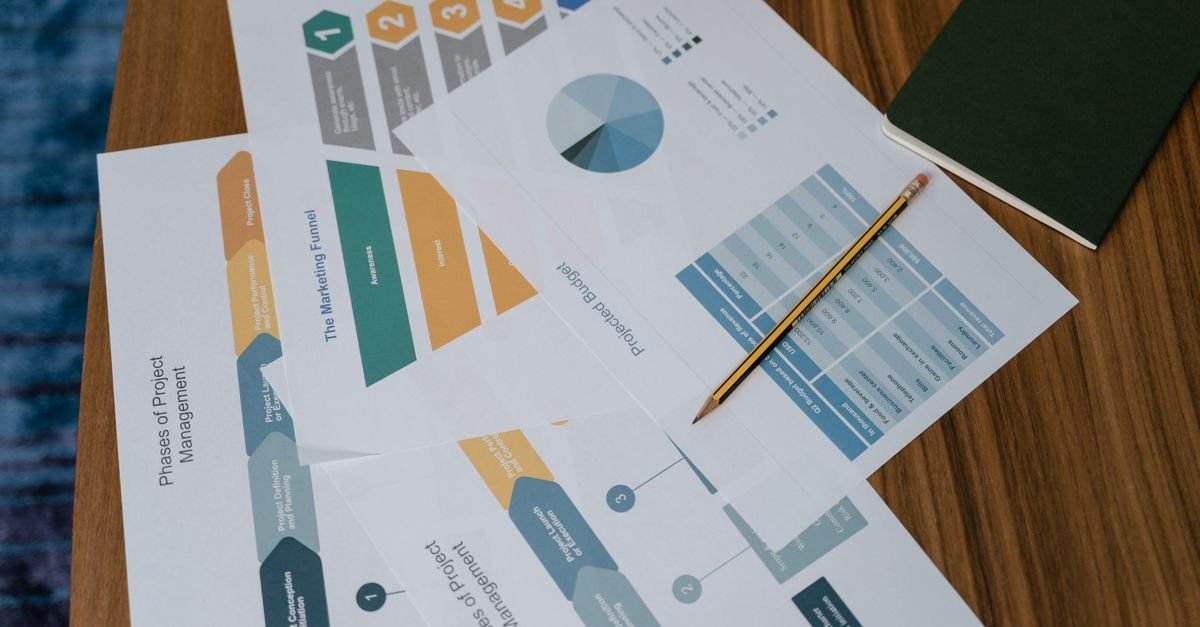
Conversion rate optimisation is where traffic becomes results — the discipline of getting more of your visitors to do the thing you want (buy, sign up, inquire) — and it's the highest-leverage complement to SEO, because doubling conversion doubles the value of every visitor you worked to earn, often at lower cost than doubling traffic. Yet most sites obsess over getting more visitors while ignoring what happens to the ones they have. This pillar is CRO whole — the research, the testing, the elements, the psychology — anchoring a 24-guide series on turning traffic into outcomes.
Real CRO is systematic, not a bag of "10 tricks": it runs on research (finding where and why visitors don't convert — the qualitative and quantitative methods, the heatmaps, the user testing, the funnel analysis that locates the leaks), hypotheses (informed guesses about what would fix a specific leak, not random changes), testing (the A/B and multivariate testing that proves what works, read with real statistical rigour), and iteration (the continuous cycle, prioritised by a testing roadmap). The distinction from cargo-cult CRO ("copy this button colour!") is that real CRO diagnoses your specific conversion problem and tests your specific fix — because what worked on someone else's site is a hypothesis for yours, not an answer.
Where conversion is won or lost, each with its guide: the landing page and its value proposition, the CTAs, the forms and checkout (the friction points where visitors abandon — the cart-abandonment reality), the social proof and trust signals, the pricing page, the lead magnets, and the technical enablers (speed and mobile — where the experience either supports conversion or kills it before the copy matters). Plus the measurement layer: what's a good rate, micro-conversions, and personalisation.
The strategic case for pairing them: SEO earns the traffic, CRO converts it — and the two multiply (traffic × conversion = results), so a site strong at both compounds, while a site strong at only one leaks the other's value (great traffic that converts poorly, or great conversion with no traffic). CRO is often the cheaper lever at the margin (improving conversion on existing traffic can beat the cost of earning proportionally more traffic — the converting-SEO-traffic opportunity most sites leave unclaimed), and it makes SEO more valuable (every ranking is worth more when the traffic it delivers converts better). The site that does both — earns traffic with content and authority, then converts it with CRO — extracts full value from the whole funnel, which is why they belong together (we do the traffic half).
Run the math: multiply current traffic by the conversion improvement a leak-fix could deliver, versus the cost of proportionally more traffic — often CRO wins at the margin (fixing checkout friction can beat earning more visitors), and it compounds every future traffic gain. Mature operations do both; if forced to sequence, fix egregious conversion leaks before pouring more traffic into a leaky funnel.
For statistically valid A/B testing, meaningful traffic helps (small samples can't reach significance — the testing-volume reality); below that, CRO shifts to the qualitative research and evidence-backed best practices (ship what's proven elsewhere, measure before/after with humility). CRO scales its methods to your traffic; you're never too small to fix obvious leaks.
Not directly (Google doesn't read your conversion rate), but the CRO improvements often overlap with SEO ones (speed, mobile, clear satisfying experience), and CRO makes your SEO traffic worth more — the complement relationship. Optimise conversion for the revenue; enjoy the overlap with the experience factors SEO also rewards, on traffic earned via content and authority (our lane).
Every site on BacklinksMedia is verified, priced upfront and ready to order.
Growth engineer at BacklinksMedia, working on outreach analytics and the verified link marketplace.
Conversion Rate Optimisation
 Conversion Rate Optimisation
 Conversion Rate Optimisation