 Conversion Rate Optimisation
Building a CRO Testing Roadmap
Jun 04, 2021
· 4 min read
Where ecommerce conversion is won or lost: the documented abandonment causes, the fixes matched to each, and the recovery layer.
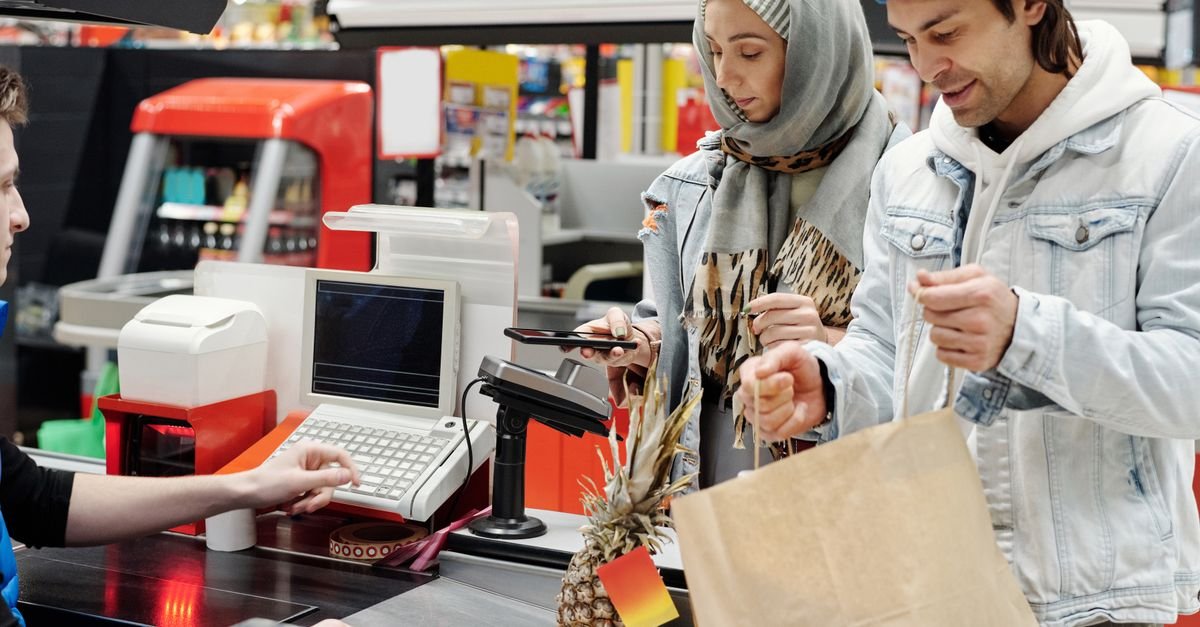
Checkout optimisation is where ecommerce conversion is most directly won or lost — the final funnel stretch where visitors who've decided to buy either complete or abandon, and where the abandonment rate (the majority of carts, industry-wide) represents the largest pool of nearly-converted revenue any store has. The causes of abandonment are well-documented and mostly fixable, which makes checkout the highest-ROI CRO work for most stores. Here's the optimisation: the abandonment causes, the fixes, and the recovery layer.
Cart and checkout abandonment concentrates on a known short list, per the store CRO evidence and the abandonment benchmarks: unexpected costs (shipping, taxes, fees appearing at checkout — the single most-cited cause: the surprise that makes the buyer feel deceived and leave); forced account creation (the account wall between the buyer and the purchase — a documented conversion killer); a long or complex checkout (too many steps, too many fields — the form-friction problem at the highest-stakes point); payment friction (missing preferred payment methods, a clunky payment step); trust concerns (security doubts at the moment of handing over card details); and the just-browsing reality (some "abandonment" was never going to buy — the honest note that not all abandonment is recoverable). The fixable causes are most of it.
For the abandonment that happens anyway: cart-abandonment email (where you have the email and consent — the automated reminder that recovers a meaningful share of abandoned carts: the deferred-not-lost conversion), retargeting (bringing abandoners back via ads — a paid recovery layer), and the exit-intent save (a last offer or reassurance as they leave — the exit-intent tactic, used judiciously). The recovery layer catches conversions the checkout optimisation couldn't prevent from abandoning — and together (optimise the checkout to prevent abandonment, recover what abandons anyway) they attack the largest recoverable-revenue pool most stores have. Checkout is where the buyer already wanted to convert; the optimisation is mostly removing the reasons they didn't — turning the store traffic (earned via content and authority) into the completed sales it exists for.
Unexpected costs — shipping, taxes and fees appearing at the final step — the most-cited cause across abandonment research, because the surprise makes buyers feel deceived and leave. The highest-impact fix is showing full cost early (before checkout), so nothing surprises at the end. Kill the surprise, recover a large share of abandonment.
No — the account wall is a documented conversion killer that abandons decided buyers; offer guest checkout and capture the account after the purchase (many will opt in post-sale). Forcing accounts before purchase trades completions for a database you could build after conversion instead — a bad trade the evidence is clear on.
Potentially a lot — cart abandonment runs at a majority of carts industry-wide (the benchmarks), and the fixable causes (surprises, account walls, friction) are most of it, so optimising checkout plus a recovery layer attacks the largest recoverable-revenue pool a store has. It's often the highest-ROI CRO work — recovering buyers who already wanted to convert, on traffic content and authority delivered (our half).
Every site on BacklinksMedia is verified, priced upfront and ready to order.
Growth engineer at BacklinksMedia, working on outreach analytics and the verified link marketplace.
Conversion Rate Optimisation
 Conversion Rate Optimisation
 Conversion Rate Optimisation