 Emerging Search
Progressive Web Apps and SEO
Aug 03, 2026
· 7 min read
Zero-click searches are satisfied on the SERP without a click. What they are and why they happen, what they mean for SEO, and what to do about them.
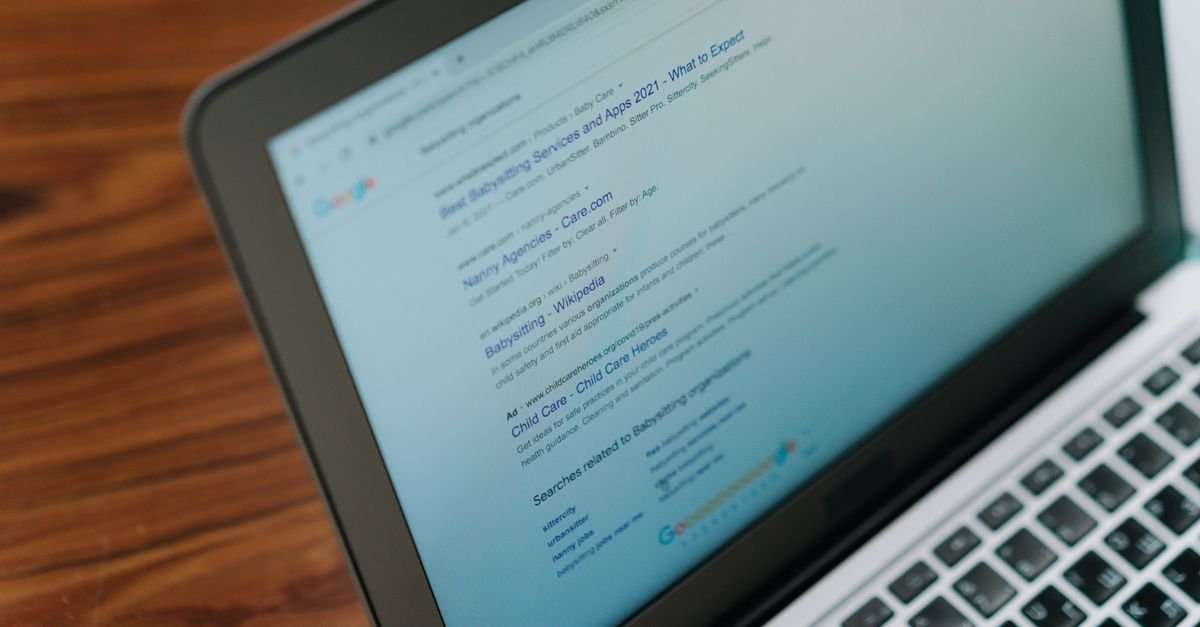
Zero-click searches — searches where the user gets their answer directly on the results page (from a featured snippet, knowledge panel, People Also Ask, or AI Overview) without clicking through to any website — are a growing reality of modern search. They can feel like lost traffic, but understanding them and adapting your strategy turns a threat into an opportunity for visibility and brand presence. Here's a guide to zero-click searches: what they are and why they happen, what they mean for SEO, and what to do about them.
Understanding zero-click: what they are (zero-click searches are searches where the user finds their answer directly on the search results page — from a featured snippet, knowledge panel, People Also Ask box, AI Overview, or other SERP feature — without clicking through to any website; the search is satisfied on the SERP itself); why they happen — Google answers directly (the main cause — Google increasingly answers queries directly on the SERP (via featured snippets, knowledge panels, PAA, AI Overviews) to satisfy users quickly, so many queries no longer require a click); why they happen — simple and quick-answer queries (many searches are for quick facts or simple answers (a date, a definition, a conversion) that Google can answer directly, so those naturally become zero-click); why they happen — AI and answer engines (AI search and answer engines increasingly generate answers directly, accelerating zero-click behaviour); the growth trend (zero-click searches have grown as Google adds more answer features and AI answers — a significant and growing share of searches); they're concentrated in certain query types (zero-click is most common for simple, factual, quick-answer queries, while complex, research, transactional, and comparison queries still drive clicks — so the impact varies by query type); they reflect answer-seeking search (zero-click is part of the broader shift toward answer-seeking, direct-answer search (alongside voice and PAA)); and they change the click landscape (zero-click means a search can generate impressions and visibility without a click — changing how traffic and visibility work). Zero-click searches are searches satisfied directly on the SERP without a click, and they happen mainly because Google increasingly answers queries directly (via snippets, panels, PAA, and AI Overviews), especially for simple, quick-answer queries. Since they're growing and concentrated in certain query types, zero-click is a significant, evolving reality — but one whose impact varies by query. Understanding what zero-click searches are and why they happen frames what they mean for SEO and how to adapt.
The implications to understand: some queries won't drive clicks (the direct implication — simple, quick-answer queries increasingly won't drive clicks even if you "rank", since the answer is on the SERP; so click-through for those queries falls, and clicks can't be assumed from rankings); rankings don't always equal traffic (a top ranking on a zero-click query may generate little traffic, so the ranking-to-traffic relationship weakens for those queries — meaning you must think beyond just rankings); it's not uniform — many queries still drive clicks (crucially, zero-click mostly affects simple, factual queries, while complex, research, transactional, and comparison queries still drive clicks — so the impact is concentrated, not universal, and much valuable traffic remains); visibility can exist without clicks (appearing in a featured snippet or SERP feature provides visibility and brand presence even without a click — so zero-click isn't purely lost value; there's brand and awareness value in SERP presence); it shifts value toward click-worthy queries (value shifts toward the queries and content that still drive clicks (complex, high-intent, transactional) — so focusing there matters more); it changes how you measure success (you may need to consider impressions and visibility, not just clicks, and focus on click-driving queries for traffic goals); it connects to AI search (as AI answers grow, more queries may become zero-click, extending this trend); and it rewards being the answer (being the snippet or answer, even if some are zero-click, provides visibility and can win the click for queries where users want more). Zero-click searches mean some queries (especially simple, factual ones) increasingly won't drive clicks, weakening the ranking-to-traffic link for those queries — but the impact is concentrated, since complex, research, and transactional queries still drive clicks, and SERP-feature visibility has brand value even without clicks. So zero-click shifts value toward click-worthy queries and toward valuing visibility, not just clicks — a real change to adapt to, but not the end of search traffic. Understanding these implications points to how to respond strategically.
The practices for adapting to zero-click: focus on click-driving queries and content (prioritise the complex, research, transactional, high-intent queries and content that still drive clicks (per search intent) — since that's where the traffic value remains, focusing there protects your traffic); target queries where users want more (aim at queries where a SERP answer isn't enough and users want to click through (in-depth, comparison, transactional) — the click-worthy queries zero-click doesn't take); still win featured snippets and SERP features (appear in snippets, PAA, and features for the visibility and brand presence they provide (and the clicks they still win for many queries) — being the answer has value even amid zero-click); value visibility and brand presence (recognise the brand and awareness value of SERP-feature visibility, not just clicks — so appearing prominently matters even without every click); create genuinely click-worthy content (content compelling and in-depth enough that users want to click through for more, per content strategy — earning the click by offering more than the SERP answer); diversify beyond simple informational queries (don't rely solely on simple, factual queries prone to zero-click — build traffic on the query types that still click); adapt your measurement (consider impressions and visibility alongside clicks, and focus traffic goals on click-driving queries — measuring success in the zero-click reality); adapt to AI search too (prepare for AI answers extending zero-click, optimising to be cited and to win the queries that still click); capture value on the click (when users do click, convert and engage them well (per content) — maximising the value of the clicks you get); and keep serving users well (genuinely helpful content that serves users wins both visibility and clicks over time). Respond to zero-click searches by focusing on click-driving queries and content, targeting queries where users want more, still winning SERP features for visibility, and creating genuinely click-worthy content — adapting to the reality while focusing on where traffic value remains. Since zero-click shifts value toward click-worthy queries and toward valuing visibility, the strategic response is to focus on the queries that still click and to value SERP presence — turning a threat into a manageable, even opportunity-rich, reality, powered by the delivery and content and authority behind your results (our half).
Zero-click searches are searches where the user finds their answer directly on the search results page — from a featured snippet, knowledge panel, People Also Ask box, AI Overview, or other SERP feature — without clicking through to any website. They happen mainly because Google increasingly answers queries directly on the SERP to satisfy users quickly, especially for simple, factual, quick-answer queries (a date, a definition, a conversion), and because AI answers accelerate the trend. They've grown significantly, but are concentrated in certain query types — complex, research, transactional, and comparison queries still drive clicks. Zero-click reflects the broader shift toward answer-seeking search (alongside voice).
They mean some queries (especially simple, factual ones) increasingly won't drive clicks even if you rank, weakening the ranking-to-traffic link for those queries — so clicks can't be assumed from rankings. But the impact is concentrated, not universal: complex, research, transactional, and comparison queries still drive clicks, so much valuable traffic remains. SERP-feature visibility (a featured snippet, for instance) provides brand presence and awareness value even without a click, so zero-click isn't purely lost value. It shifts value toward click-worthy queries (per search intent) and toward valuing visibility, not just clicks — and as AI answers grow, the trend may extend. It's a real change to adapt to, but not the end of search traffic.
Focus on click-driving queries and content (the complex, research, transactional, high-intent queries that still drive clicks, per search intent — where the traffic value remains), target queries where a SERP answer isn't enough and users want more, and still win featured snippets and SERP features (for the visibility, brand presence, and clicks they still win, per PAA). Create genuinely click-worthy, in-depth content (per content strategy), diversify beyond simple informational queries, adapt your measurement (value impressions and visibility alongside clicks), and prepare for AI answers extending the trend. Focusing on the queries that still click and valuing SERP presence turns zero-click into a manageable, even opportunity-rich, reality, powered by the delivery and content and authority behind your results (our lane).
Every site on BacklinksMedia is verified, priced upfront and ready to order.
Growth engineer at BacklinksMedia, working on outreach analytics and the verified link marketplace.
Emerging Search
 Emerging Search
 Emerging Search