 Emerging Search
Progressive Web Apps and SEO
Aug 03, 2026
· 7 min read
AI search generates direct answers rather than listing links. What AI search and answer engines are, how they work, and how to optimise to be cited by them.
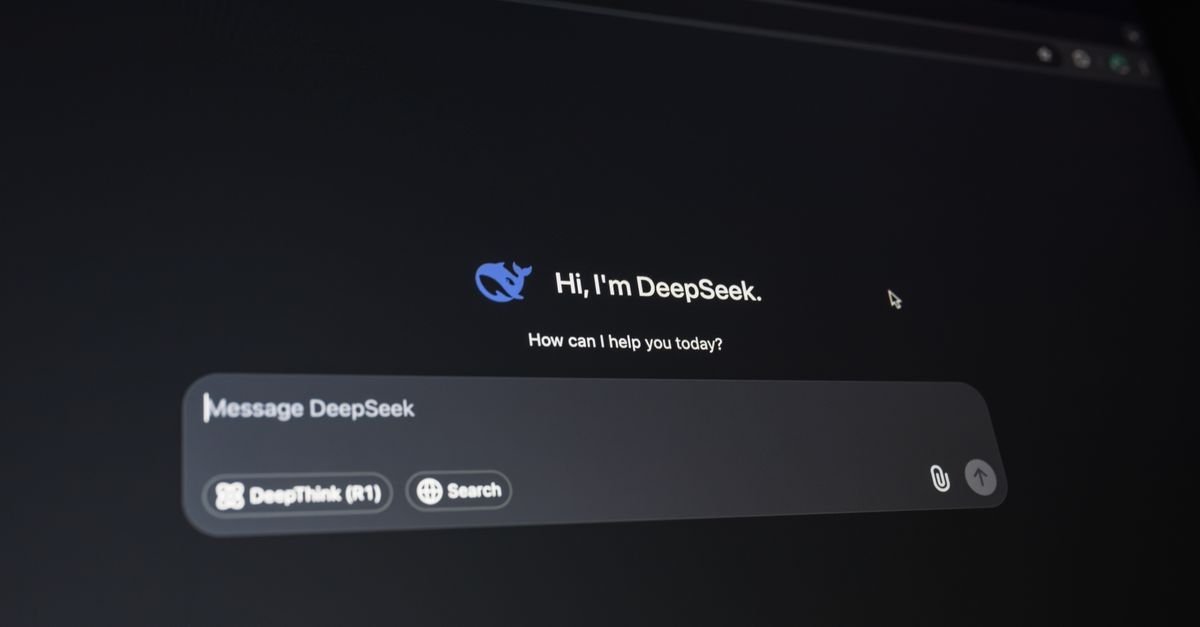
AI search and answer engines — from Google's AI Overviews to AI chat assistants and answer engines that generate direct answers rather than listing links — are reshaping how people find information. As AI increasingly answers queries directly, optimising to be cited, surfaced, and referenced by AI systems (sometimes called generative engine optimisation) is an emerging and important frontier. Here's a guide to AI search and answer engines: what they are and why they matter, how they work, and how to optimise for them.
Understanding the shift: what they are (AI search and answer engines use AI to generate direct answers to queries — synthesising information into a response — rather than (or alongside) listing links; examples include Google's AI Overviews, AI chat assistants, and dedicated answer engines that answer questions conversationally and cite sources); the shift they represent (a fundamental shift from search as a list of links to search as a generated answer — AI synthesises an answer (often citing sources) rather than just pointing to pages, changing how people get information); why they matter — changing how people find information (as AI answers queries directly, more information-seeking may be satisfied by the AI answer, changing traffic patterns and how visibility works — so it's a major evolution SEO must adapt to); why they matter — a new visibility surface (being cited, referenced, or surfaced by AI answers is a new form of visibility (sometimes called generative engine optimisation, GEO) — an emerging opportunity to be the source AI draws on); the zero-click connection (AI answers can satisfy queries without a click (like zero-click searches), so understanding and adapting to reduced clicks matters); it builds on answer-focused and authoritative content (AI systems draw on and cite quality, authoritative, well-structured content that clearly answers questions — so it builds on the answer-focus and authority of good SEO); it's part of emerging search (AI search is a central part of search's evolution (alongside voice, visual, and answer-seeking behaviour) — the frontier of how search works); it's fast-evolving and uncertain (AI search is evolving rapidly and its exact impact is still unfolding, so it's an emerging area to understand and adapt to rather than a settled one); and it rewards being a trusted, citable source (the goal shifts toward being the authoritative, clear source AI systems trust and cite). AI search and answer engines use AI to generate direct answers (often citing sources) rather than just listing links — and they matter because they're reshaping how people find information and creating a new visibility surface (being cited by AI). Since AI draws on quality, authoritative, answer-focused content, optimising for AI search builds on good SEO while adapting to a shift from links to generated answers. Understanding AI search as a fast-evolving shift toward generated, cited answers frames how to optimise for it.
Understanding the mechanics (at a high level, since specifics vary and evolve): they synthesise answers from sources (AI systems draw on information (from search results, indexed content, and their training) to generate a synthesised answer to the query — combining information rather than returning a single page); they often cite sources (many AI answers cite or link the sources they draw on (AI Overviews and answer engines often show sources) — so being a cited source is the visibility opportunity); they draw on quality, authoritative content (AI systems tend to draw on and cite quality, authoritative, trustworthy content that clearly and accurately addresses the query — so authority and quality (per quality content) matter for being drawn on); they favour clear, well-structured, answer-focused content (content that clearly and directly answers questions, well-structured and easy to extract, is easier for AI to use and cite — the same answer-focus that serves PAA and voice); they rely on being findable and indexed (AI search often draws on content that's well-indexed and ranks well, so strong overall SEO (per technical SEO) supports being drawn on); entities and structured understanding matter (AI benefits from clear, structured understanding of entities and information (per entity SEO and structured data) — helping it understand and use your content); trust and accuracy are emphasised (AI systems (and their providers) emphasise drawing on accurate, trustworthy sources, especially for important topics); and it's evolving (exactly how each AI system selects and cites sources is evolving and not fully transparent, so the principles (quality, authority, clarity, findability) matter more than chasing specifics). AI search and answer engines work by synthesising answers from sources (often citing them), drawing on quality, authoritative, well-structured, findable content — with the details varying and evolving. Since AI draws on and cites clear, authoritative, answer-focused, well-indexed content, being surfaced by AI rests on the same foundations as good SEO (quality, authority, clarity, findability) applied toward being a citable source. Understanding these mechanics points to how to optimise: be the clear, authoritative, well-structured, findable source AI wants to cite.
The practices for AI search / generative engine optimisation: create quality, authoritative content (the foundation — genuinely high-quality, accurate, authoritative content, per content strategy, since AI draws on and cites quality, trustworthy sources; being a source AI trusts starts with being genuinely authoritative); answer questions clearly and directly (clear, direct answers to questions (well-structured, easy to extract) — the answer-focus AI (and voice and PAA) draws on, making your content easy for AI to use and cite); build topical authority and E-E-A-T (establish genuine expertise and authority on your topics (per authority) — since AI favours authoritative, trustworthy sources); use clear structure and entities (well-structured content and clear entity understanding (per entity SEO and structured data) help AI understand and use your content); ensure strong findability and indexing (strong overall SEO and technical health (per technical SEO) so your content is findable and can be drawn on — since AI often draws on well-indexed, ranking content); be accurate and trustworthy (accuracy and trustworthiness (clear sourcing, credibility) matter for being cited, especially on important topics); cover topics comprehensively (thorough, comprehensive content that fully addresses topics and questions is more useful for AI to draw on); focus on being a citable source (aim to be the clear, authoritative source AI wants to cite — providing the accurate, well-structured answers AI surfaces); adapt and monitor as it evolves (since AI search is fast-evolving, stay informed and adapt (per emerging search) rather than chasing unstable specifics); and keep serving users well (ultimately, genuinely helpful, quality content that serves users is what AI (and search) reward — so serving users remains the foundation). Optimise for AI search by creating quality authoritative content, answering questions clearly and directly, building topical authority and E-E-A-T, using clear structure and entities, and ensuring strong findability — being the clear, authoritative, well-structured, findable source AI wants to cite. Since AI search rests on the same foundations as good SEO applied toward being a citable source, optimising for it is largely about doing excellent, authoritative, answer-focused SEO while adapting as AI evolves — the emerging frontier of search visibility, powered by the delivery and content and authority behind your results (our half).
AI search and answer engines use AI to generate direct answers to queries — synthesising information into a response (often citing sources) — rather than (or alongside) listing links. Examples include Google's AI Overviews, AI chat assistants, and dedicated answer engines. They represent a shift from search as a list of links to search as a generated answer, changing how people get information. They matter because as AI answers queries directly, traffic patterns and visibility change, and being cited or surfaced by AI is a new form of visibility (sometimes called generative engine optimisation). AI answers can satisfy queries without a click (like zero-click searches), and AI draws on quality, authoritative, answer-focused content — so it builds on good SEO while adapting to a link-to-answer shift.
At a high level (specifics vary and evolve), AI systems draw on information — from search results, indexed content, and training — to generate a synthesised answer, often citing the sources they use. They tend to draw on and cite quality, authoritative, trustworthy content that clearly and accurately addresses the query (per quality content), favouring clear, well-structured, answer-focused content that's easy to extract (the same answer-focus that serves PAA and voice). They rely on content being well-indexed and findable (per technical SEO), benefit from clear entity understanding (per entity SEO and structured data), and emphasise accuracy and trust. Exactly how each system selects sources is evolving and not fully transparent — so the principles (quality, authority, clarity, findability) matter more than specifics.
Create quality, authoritative content (the foundation, since AI draws on and cites trustworthy sources, per content strategy), answer questions clearly and directly (the answer-focus AI draws on, also serving PAA and voice), build topical authority and E-E-A-T, use clear structure and entities (per entity SEO and structured data), and ensure strong findability and indexing (per technical SEO). Be accurate and trustworthy, cover topics comprehensively, and aim to be the clear, authoritative source AI wants to cite. Since AI search is fast-evolving, adapt and monitor as it changes rather than chasing unstable specifics. Optimising for AI search is largely about excellent, authoritative, answer-focused SEO applied toward being a citable source, powered by the delivery and content and authority behind your results (our lane).
Every site on BacklinksMedia is verified, priced upfront and ready to order.
Growth engineer at BacklinksMedia, working on outreach analytics and the verified link marketplace.
Emerging Search
 Emerging Search
 Emerging Search