 Case Studies & Experiments
When Doubling Publishing Frequency Backfired
Sep 03, 2020
· 3 min read
Three locations from map-pack invisibility to 70% grid coverage in seven months - with the review engine as the single biggest mover.
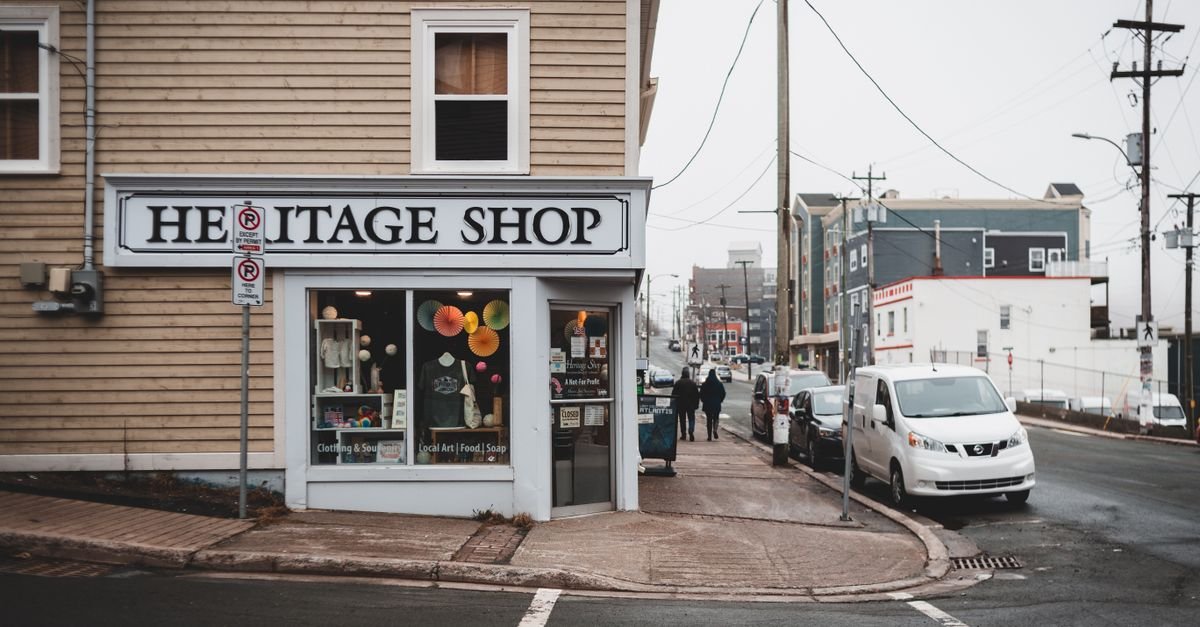
Local SEO case studies matter because local is where the feedback loops are shortest and the business impact most literal — the phone rings or it doesn't. This one follows a three-location home-services business (anonymised; think plumbing-adjacent trade in a mid-size metro) from map-pack invisibility to pack presence across its service area in seven months, running the pillar playbook in order. The instructive part: which interventions moved the grid and which were hygiene.
The intake findings, typical of the trade: an unclaimed duplicate Business Profile splitting reviews with the real one (the single worst finding in local, per the checklist's duplicate warning), NAP chaos from an old move and a rebrand (three address versions, two phone numbers circulating — the ambiguity tax in full), 40-odd reviews at a 4.1 average with years-old velocity and zero responses, a website of one thin page per service, and grid-tracker baselines (the honest instrument, per the tooling guide) showing pack presence only within blocks of the office.
Month 7 versus intake: pack presence across ~70% of the tracked service-area grid (from ~10%), calls from profiles up 3.2×, localized-organic clicks up ~180% — and the business metric that ends arguments: booked jobs attributing "found you on Google" roughly tripled. The pattern for the series: local rewards sequence — hygiene removes the anchors, reviews drive the pack, content wins the organic layer, links break the radius ceiling — and every stage's effect was legible on the grid within weeks, which is why local is the most satisfying SEO there is to run honestly.
The review engine, without hesitation — velocity, recency and response-rate moved the pack more than everything else combined, and it converts customers even where it doesn't move rankings. It's also the intervention competitors most reliably won't sustain.
Not as built: real staffed locations, unique content per area (local projects, area-specific advice), one page each — the honest version the pillar distinguishes from city-name mad-libs at scale. The doorway pattern is fifty templated pages for places you've never worked; three real pages for three real crews is just architecture.
Same order, smaller scale: hygiene week one, review engine forever, one definitive service+area content layer, and five real community links — the minimum portfolio. Most solo trades doing all four consistently out-grid their metro's franchises within two quarters — and the link layer is arrangeable where community legwork isn't your thing (local placements included — ask).
Every site on BacklinksMedia is verified, priced upfront and ready to order.
Growth engineer at BacklinksMedia, working on outreach analytics and the verified link marketplace.
Case Studies & Experiments
 Case Studies & Experiments
 Case Studies & Experiments