 Local SEO
Google My Business Optimization Checklist
Apr 03, 2020
· 4 min read
Only you can be the shop that sponsors the little league. Sponsorships, memberships, local press, community content and partnerships - ranked by payoff.
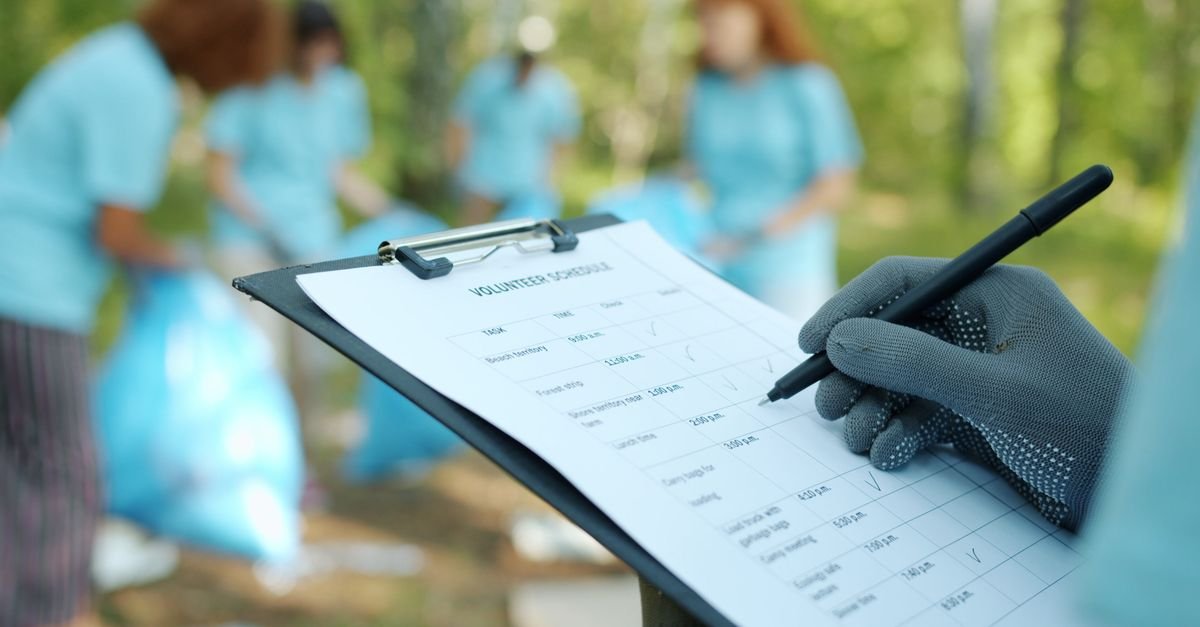
Local link building is the version of link building where the playing field tilts toward you: national sites compete for links from the whole internet, but only you can be the hardware store that sponsors the little league, the plumber the local paper calls for a burst-main quote, the café in the neighbourhood guide. These links do double duty — authority like any link, plus geographic prominence evidence for the map pack — and they're systematically easier to earn than their national equivalents. Here are the tactics that actually work, ranked by effort-to-payoff.
Bulk local directory submissions past the legitimate short list (citation value ended long ago, risk begins); fake "local guides" built for links; and buying placements in pay-to-play "news" sites with no readership — the usual paid-link calculus doesn't improve at neighbourhood scale. The filter for everything local: would this link exist if Google didn't? Sponsorships, memberships, press and partnerships all pass; schemes don't.
Local link building fits in a few hours monthly: one standing sponsorship review annually; press relationships maintained by being responsive; one local content asset per quarter, promoted to the local web on publish; the partnership web tended as business development. Track like all link work — a simple log of links earned, and prominence read through map-pack visibility and profile insights. Twenty real local links typically transforms a local site's authority picture, because the competitor set has three.
Yes — local prominence is corroboration-shaped, and a mixed follow/nofollow local profile is exactly what natural looks like. The chamber link, followed or not, is evidence you exist in this community; several dozen such pieces of evidence is the moat.
Same physics (editorial endorsements, earned), smaller arena, warmer doors: you can meet these linkers at actual events, and money legitimately opens community doors (sponsorship) that would be scheme territory nationally. The outreach skills transfer down; the tactics don't all transfer up.
If you rank for anything beyond your geography (e-commerce line, content that travels), yes — the general playbook applies to those pages. For the map pack and "near me" queries, local links plus reviews plus the worked profile is the stack — and where the general-authority half needs muscle, that's the publisher-relationships business we're in (say hello).
Every site on BacklinksMedia is verified, priced upfront and ready to order.
Growth engineer at BacklinksMedia, working on outreach analytics and the verified link marketplace.
Local SEO
 Local SEO
 Local SEO