 SEO Content Writing
How to Update Old Blog Posts Properly
Feb 24, 2021
· 4 min read
Empathy made structural: the setup readers need, sequencing that assumes nothing, anticipating failure points, and the verification step.
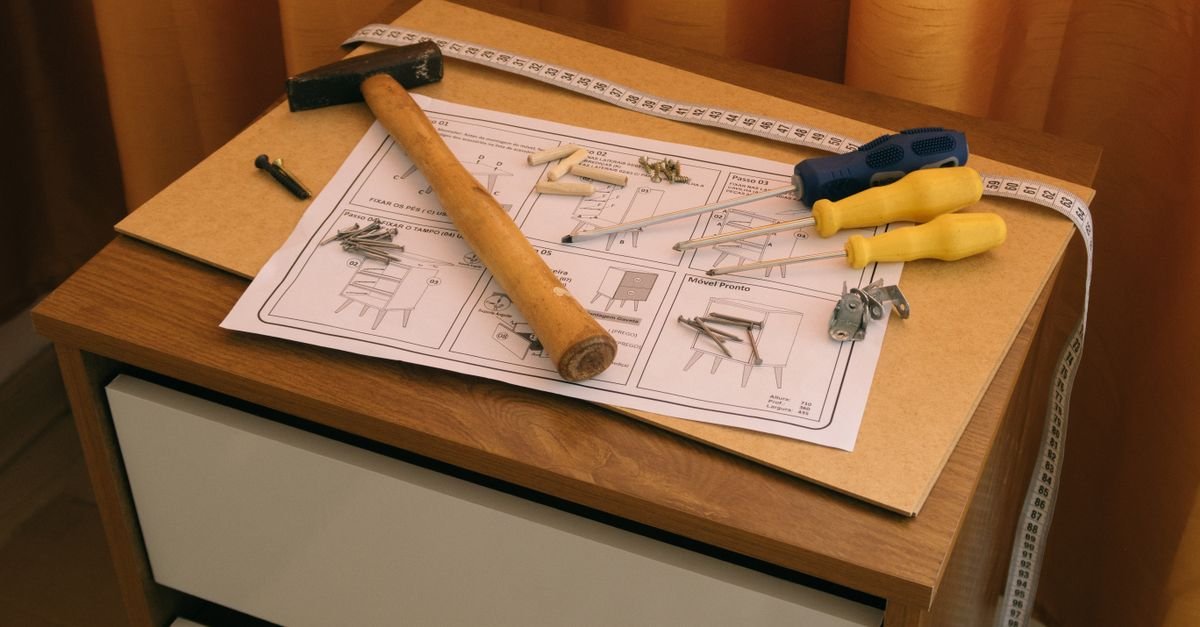
The how-to guide is search content's foundational format — the answer to the enormous "how do I..." demand pool — and its craft is deceptively demanding: the writer knows the task too well to see where the reader gets stuck, which is exactly where how-tos fail. The discipline is empathy made structural: anticipating the failure points, sequencing so nothing's assumed before it's given, and delivering the outcome the reader actually came for. Here's the method.
How-to intros do specific work beyond the standard confirm-deliver-promise: the outcome shown (what they'll have when done — the finished thing, ideally pictured), the requirements front-loaded (time, tools, prerequisites, skill level — the reader who discovers at step 6 they lacked something at step 1 is the how-to's characteristic betrayal), and the scope honest (what this covers and doesn't — "this is the manual method; the plugin method is here"). This block is where how-tos earn trust: it respects the reader's time before spending it.
The close handles what's next (troubleshooting the common failure, the advanced version, the related task), the FAQ block catches the adjacent questions (and the snippet inventory), and — the format's technical bonus — HowTo schema where genuinely applicable (with the standing caveat that Google has narrowed HowTo rich-result display; mark up real procedures, expect the treatment intermittently, per the granted-not-guaranteed rule). The whole format is the clearest intent match in search: the reader stated exactly what they want to do, and the guide either lets them do it or doesn't — a bar the craft above is entirely about clearing.
Detailed enough that your least-experienced target reader succeeds without leaving the page — the calibration set by the brief's reader, not by the writer's expertise. Over-detail bores the capable (mitigated by scannable structure they can skip through); under-detail strands the stuck (unmitigable — they leave). Err toward the stuck reader; the capable one scans.
Read the SERP: single decisive method where one clearly wins (with alternatives noted and linked), multiple where genuine trade-offs exist (the "three ways to X, here's when to use each" structure). One thorough method beats three shallow ones — the completeness-not-count rule applied to approaches.
Both rank, often together — text how-tos win the scan-and-reference use (the reader doing the task wants to glance, not scrub a video), video wins the show-me use, and the strong play is both (embed the video in the text guide — serving both modes, per the repurposing logic). The format's demand is durable; the craft that wins it is the empathy above, plus the authority every format needs (step one: contact us).
Every site on BacklinksMedia is verified, priced upfront and ready to order.
Growth engineer at BacklinksMedia, working on outreach analytics and the verified link marketplace.
SEO Content Writing
 SEO Content Writing
 SEO Content Writing