 Meta Ads
Facebook Ads Mistakes That Waste Budget
Aug 19, 2022
· 5 min read
Lead ads let people submit details in-app with low friction - powerful for lead gen with a quality tradeoff. How they work, the pros and cons, and using them well.
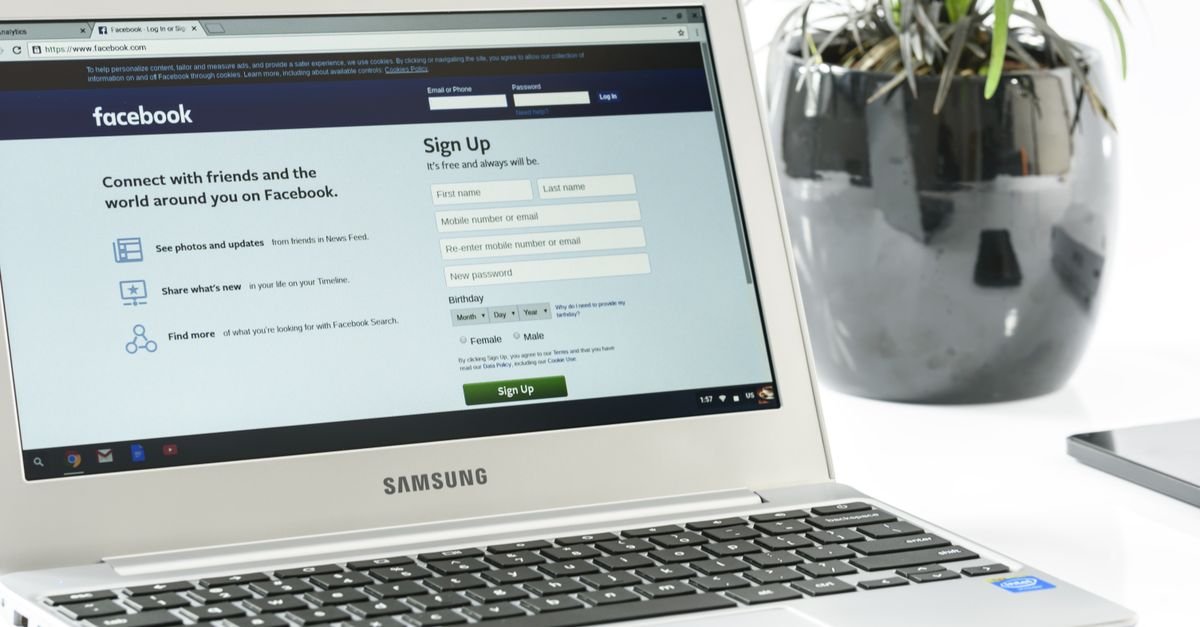
Facebook lead ads let people submit their contact details without leaving the platform — a pre-filled form opens right in the app, dramatically reducing the friction that loses leads on traditional landing pages. For lead generation, they're a powerful tool, though with a tradeoff around lead quality worth understanding. Here's a guide to Facebook lead ads: how they work, their pros and cons, and how to use them effectively.
The concept: lead ads let people submit their information through a form that opens directly within Facebook or Instagram, pre-filled with the details Meta already has — no landing page or leaving the app required. When someone clicks a lead ad, instead of going to your website, a form opens in-app, often pre-populated with their name, email, and other details Meta holds — so submitting takes just a tap or two. This is powerful because it dramatically reduces friction: the biggest killer of lead generation is the effort required (leaving the app, loading a landing page, filling a form from scratch), and lead ads remove almost all of it, capturing leads that friction would otherwise lose. The leads flow into your system (via integrations or download) for follow-up. The core value is friction reduction: by keeping people in-app with a pre-filled form, lead ads make submitting contact details nearly effortless, increasing the volume of leads captured. This makes them especially useful for lead generation goals — filling the top of a sales funnel with contacts to nurture. But the same friction-reduction that boosts volume creates the key tradeoff around quality, discussed below. Understanding lead ads as a low-friction, in-app lead capture mechanism is the foundation of using them well.
The honest tradeoffs of lead ads: the pros — low friction, higher volume (the pre-filled in-app form captures leads that landing-page friction would lose — more leads for the same reach); mobile-friendly (perfect for the mobile feed, where landing pages are especially friction-prone); fast and easy for users (a tap or two to submit); and good for top-of-funnel lead gen (filling your funnel with contacts efficiently). The cons — the quality tradeoff (the same low friction that boosts volume can reduce lead quality — because it's so easy, some leads are less considered or committed than those who'd complete a full landing-page form, so you may get more leads but with a lower average intent); the follow-up gap (in-app leads haven't visited your site or engaged as deeply, so they need strong follow-up to convert, and speed of follow-up matters); and integration needs (leads need to flow into your CRM/system and follow-up process to be actioned, or they're wasted). The key tradeoff to understand: lead ads increase lead volume by reducing friction, but that same ease can lower lead quality — so they excel at filling the funnel cheaply, but the leads need qualification and strong nurturing to convert. Whether that tradeoff is worth it depends on your funnel — high-volume-lower-quality leads suit some businesses (with good nurturing) and not others (who need higher-intent leads).
The practices for effective lead ads: use them for the right goal (lead ads suit top-of-funnel lead generation where volume and low friction help — for businesses that can nurture and qualify leads, per the volume-quality tradeoff); manage the quality tradeoff (since low friction can lower quality, add qualifying questions to the form (fewer, higher-intent leads) or accept higher volume with strong nurturing — tune the form to balance volume and quality for your needs); set up fast, strong follow-up (in-app leads need prompt, effective follow-up to convert — integrate leads into your CRM and follow-up process, and respond fast, since speed matters for lead conversion); nurture the leads (lead-ad leads often need nurturing — via email and follow-up — to convert, so pair lead ads with a nurturing process); use good targeting and creative (reach the right people with compelling creative and copy — quality leads start with quality targeting and messaging); make the offer compelling (a strong reason to submit — a valuable lead magnet, offer, or clear benefit — attracts better leads); integrate and action leads promptly (ensure leads flow to your system and get actioned, or they're wasted); track lead-to-customer conversion, not just lead volume (measure whether leads actually convert, per reporting — since volume without conversion is a false success, judge by quality leads that become customers); and test forms and offers (per split testing). Used for the right goal, with the quality tradeoff managed and strong follow-up, lead ads efficiently fill the funnel with leads to convert — turning low-friction capture into customers alongside the authority you build (our half).
Ads that let people submit their contact details through a form that opens directly within Facebook or Instagram — pre-filled with details Meta already has — without leaving the app or visiting a landing page. When someone clicks, a form opens in-app, often pre-populated, so submitting takes just a tap or two. This dramatically reduces the friction that kills lead generation (leaving the app, loading a page, filling a form from scratch), capturing leads that friction would otherwise lose. They're powerful for top-of-funnel lead generation, though with a quality tradeoff worth understanding.
They involve a tradeoff — the same low friction that boosts lead volume can reduce lead quality, because it's so easy to submit that some leads are less considered or committed than those who'd complete a full landing-page form. So you often get more leads but with lower average intent. This suits some businesses (high volume with good nurturing) and not others (who need higher-intent leads). Manage the tradeoff by adding qualifying questions (fewer, higher-intent leads), setting up fast strong follow-up, and measuring lead-to-customer conversion — not just lead volume, since volume without conversion is a false success.
Use them for top-of-funnel lead gen where low friction helps, manage the quality tradeoff (add qualifying questions for higher intent, or accept volume with strong nurturing), and set up fast, effective follow-up (in-app leads need prompt follow-up to convert — integrate them into your CRM and respond quickly). Nurture the leads (via email and follow-up), use good targeting and compelling creative and offers (quality leads start with quality messaging), and measure lead-to-customer conversion, not just lead volume. Managed well with strong follow-up, lead ads efficiently fill the funnel with leads to convert alongside the authority you build (our lane).
Every site on BacklinksMedia is verified, priced upfront and ready to order.
Growth engineer at BacklinksMedia, working on outreach analytics and the verified link marketplace.
Meta Ads
 Meta Ads
 Meta Ads