 Meta Ads
Facebook Ads Mistakes That Waste Budget
Aug 19, 2022
· 5 min read
Facebook reporting turns data into insight and demonstrates results. What to measure, the attribution complexities to understand, and how to report so it informs.
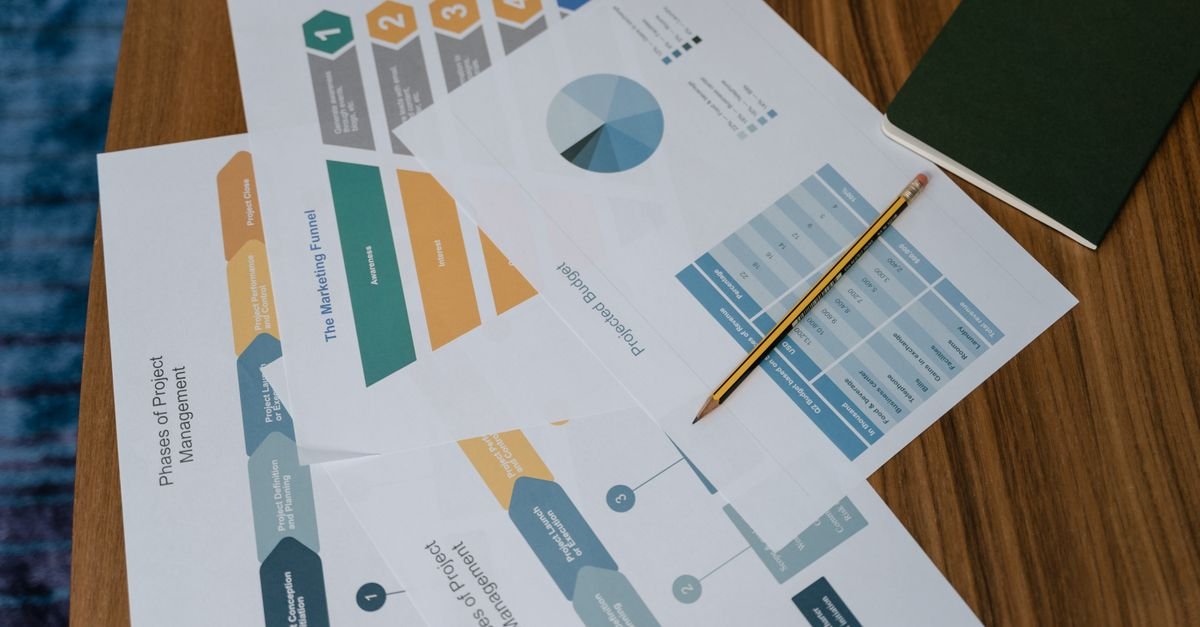
Facebook Ads reporting turns the platform's flood of data into the insights that guide better advertising and demonstrate results — and getting it right means focusing on the outcomes that matter, understanding attribution honestly, and telling the story behind the numbers. Here's a guide to Facebook Ads reporting: what to measure, the attribution complexities to understand, and how to report in a way that informs.
The metrics that matter for Facebook Ads, from surface to substance: outcomes first (conversions, cost per conversion (CPA), return on ad spend (ROAS), and revenue — the results that reflect whether your advertising is profitable, per the outcome discipline that governs all paid metrics); the funnel metrics that diagnose (reach and impressions, click-through rate, cost per click, and conversion rate — inputs and diagnostics that explain why your outcomes are what they are, read as a funnel from reach to conversion); engagement and quality signals (for awareness/engagement objectives, the relevant reach and engagement metrics — matched to what the campaign is for); frequency (how often people see your ads — important on Facebook, since high frequency signals creative fatigue and audience saturation, per creative refresh); creative performance (which creatives and videos perform, since creative is the biggest lever — so you can make more of what works); and audience and campaign breakdowns (performance by audience, placement, and campaign, revealing what drives results). The hierarchy is the same as all paid advertising: lead with outcomes (conversions, CPA, ROAS), use funnel metrics as diagnostics, and avoid vanity metrics (reach and engagement that look impressive but don't measure results). Judge Facebook Ads by the outcomes it drives, using the funnel and creative metrics to understand why and what to improve — and watch frequency as a Facebook-specific fatigue signal.
The honest reality about Facebook attribution, especially post-privacy-changes: attribution has become harder and less certain (the privacy changes that limited tracking — Apple's App Tracking Transparency, browser restrictions — have made measuring and attributing Facebook conversions less complete and reliable than before, so the numbers require careful interpretation); the Conversions API helps (server-side tracking via the Conversions API restores much of the lost measurement data — so proper tracking setup directly improves your reporting accuracy); attribution windows matter (how conversions are attributed over time — the window — affects the numbers, so understand the attribution settings behind your reports); Facebook's reported numbers may differ from other sources (Facebook's attribution may not match your analytics or other platforms — different tools attribute differently, the same tools-differ reality across measurement, so expect directional agreement, not exact matching); view-through and multi-touch (Facebook often influences conversions that complete elsewhere or later, so its role isn't always fully captured by last-click views, per attribution); and read numbers with informed skepticism (understand what your reported numbers do and don't capture, rather than treating them as perfect truth). The key: understand Facebook attribution's complexities and limits — improved by the Conversions API but not perfect — and interpret your reporting accordingly, using it as directional guidance for decisions rather than exact truth, and cross-referencing with your own analytics for a fuller picture.
The practices for useful Facebook Ads reporting: lead with outcomes (conversions, CPA, ROAS, revenue — the results that matter — not vanity reach/engagement metrics, per the outcome discipline); tell the story (what happened, why, what's working and what isn't, and next steps — turning data into narrative, not just a metrics dump, per reporting principles); interpret attribution honestly (present the numbers with awareness of their limits and attribution complexities, cross-referencing your analytics — so decisions rest on realistic, not overconfident, data); focus on the vital few metrics (the outcomes and key diagnostics, not every metric Facebook offers — a focused report gets read); watch frequency and creative fatigue (report frequency and creative performance as Facebook-specific health signals, per creative); break down by what drives decisions (audience, creative, campaign performance that reveals what to do more or less of); tie to goals and business impact (frame performance against objectives and real value, per metrics); match the report to the audience (outcomes for executives, operational detail for managers); use it to drive action (the point of reporting is better decisions — optimisations, budget shifts, creative changes); and use the right tools (Facebook's reporting, plus your analytics and dashboards for the fuller picture). Lead with outcomes, interpret attribution honestly, tell the story, and drive action — that's Facebook Ads reporting that informs decisions and demonstrates value alongside the authority you build (our half).
Lead with outcomes — conversions, cost per conversion (CPA), return on ad spend (ROAS), and revenue (the results that reflect profitability) — then use funnel metrics (reach, CTR, cost per click, conversion rate) as diagnostics explaining why. Watch frequency (a Facebook-specific fatigue signal — high frequency means creative fatigue and audience saturation) and creative performance (since creative is the biggest lever). Avoid vanity metrics (impressive-looking reach/engagement that don't measure results). Judge Facebook Ads by the outcomes it drives, using funnel and creative metrics to understand why, per the outcome discipline.
Because different tools attribute conversions differently, and privacy changes have made Facebook's attribution less complete — Apple's App Tracking Transparency and browser restrictions limited tracking, so Facebook's reported conversions may not match your analytics or other platforms. Attribution windows, view-through conversions, and multi-touch journeys (per attribution) add to the divergence. Expect directional agreement, not exact matching (the tools-differ reality across measurement). The Conversions API restores much of the lost data, improving accuracy — but interpret Facebook's numbers as directional guidance, cross-referenced with your analytics, not perfect truth.
Lead with outcomes (conversions, CPA, ROAS — not vanity reach/engagement), tell the story (what happened, why, what's next — not just a metrics dump, per reporting principles), interpret attribution honestly (present numbers with awareness of their limits, cross-referencing your analytics), focus on the vital few metrics, watch frequency and creative fatigue, tie to goals and business impact, match the report to its audience, and use it to drive action. Lead with outcomes, interpret attribution honestly, tell the story, and drive decisions — reporting that informs and demonstrates value alongside the authority you build (our lane).
Every site on BacklinksMedia is verified, priced upfront and ready to order.
Growth engineer at BacklinksMedia, working on outreach analytics and the verified link marketplace.
Meta Ads
 Meta Ads
 Meta Ads