 Ecommerce SEO
Ecommerce SEO Checklist
Oct 08, 2020
· 3 min read
Is it coming back? The policy tree - live and honest, 301 to successor, closest relevant level, or 410 - and the automation that runs it.
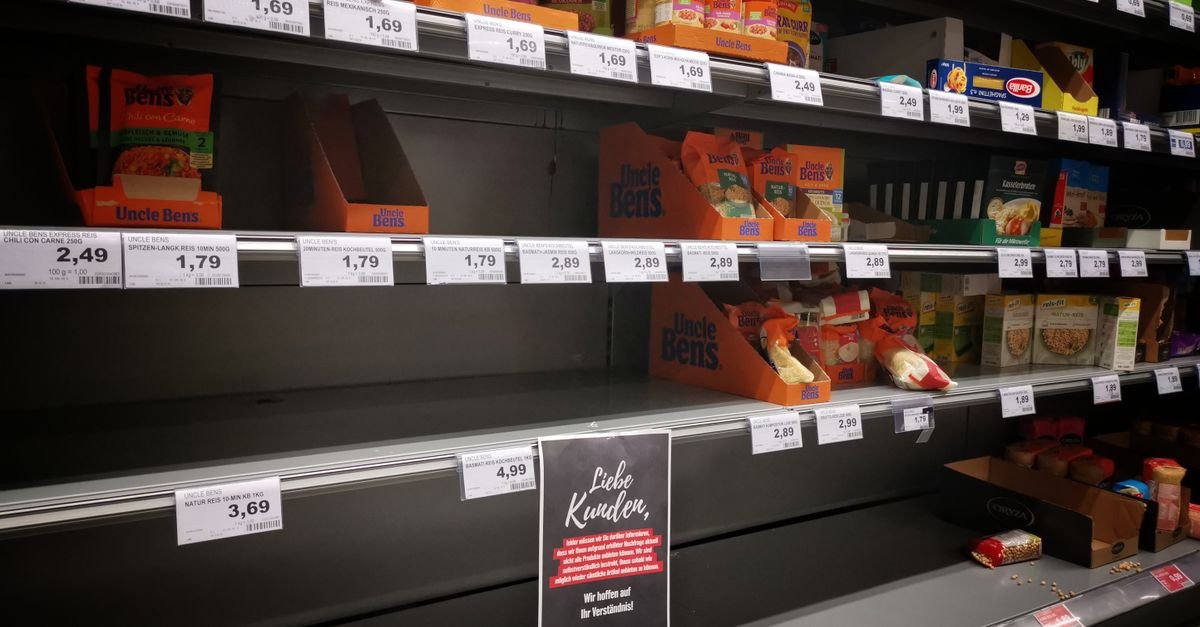
Every store faces it weekly: a product sells out, gets discontinued, or vanishes from the supplier — and its URL, possibly carrying rankings, links and bookmarked demand, needs a decision. The wrong defaults (mass 404s, instant redirects-to-home, zombie pages selling nothing) each leak equity or trust; the right answer is a policy tree keyed to one question: is it coming back? Here's the tree, the implementation details per branch, and the template work that makes it automatic.
Policy only works automated: the platform should key the behaviours to inventory status (temporary vs discontinued as a product field driving template state and redirect creation), the redirect map lives in version control like the migration estate it gradually becomes, and the quarterly audit sweeps for the failure modes: zombie pages (discontinued items still 200 with no path forward), 404s carrying referring domains (the free-equity recovery, always), and redirect chains bred by successive successor hops (A→B→C when B also died — flatten to A→C, per hygiene).
A store full of dead grids, yes — which is the category-level pruning rule. Individual OOS pages behaving honestly (status shown, capture offered, alternatives linked) serve visitors fine and hold rank position for the restock — the churn of toggling them dead costs demonstrably more. Watch the ratio, not the instance.
Yes, with the calendar advantage: keep the URL alive year-round (the equity accumulates across seasons — annual URL churn is the classic seasonal mistake), let it hold "returns in [season]" state off-peak, and re-merchandise the same page each cycle. The URL is the asset; the stock is just its current contents.
Page stays fully live (the product exists), variant marked unavailable in UI and offer markup, restock capture per variant if the platform allows. Only full-product decisions climb the tree. Like every policy in this silo, the payoff compounds quietly: URLs that never leak keep every link they ever earned working — and earning those links stays the parallel programme (ours to run, if you'd like).
Every site on BacklinksMedia is verified, priced upfront and ready to order.
Growth engineer at BacklinksMedia, working on outreach analytics and the verified link marketplace.
Ecommerce SEO
 Ecommerce SEO
 Ecommerce SEO