 Link Building by Industry
International Link Building Across Languages
Jun 24, 2020
· 4 min read
Three doors links open for creators: Google search rankings for videos, the discovery layer that feeds the algorithm, and the channel-as-brand entity work.
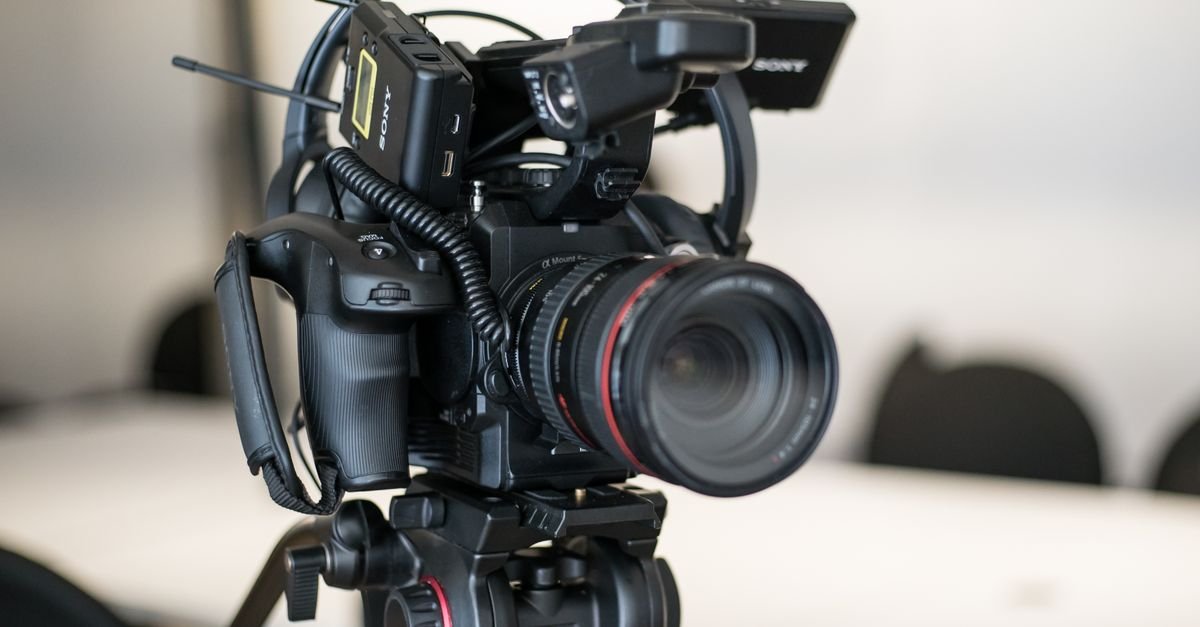
Link building for a YouTube channel sounds like a category error — YouTube ranks videos by watch behaviour, not PageRank — and that's exactly why this closing guide of the industry series is worth writing precisely: external links and web presence do move the needle for creators, just through different doors than site SEO. The three that matter: Google-search visibility for your videos (a real ranking system links influence), the discovery-and-embed layer that feeds YouTube's own algorithm, and the channel-as-brand entity work that compounds everything. Plus the strategic question every growing channel eventually faces: when to build the website.
Videos rank in Google (video carousels, video features, and blended results), and those rankings respond to ordinary web signals: pages embedding and linking your video, the query-matching text around those embeds, and the authority of the sites doing it. The plays: make embedding easy and worthwhile (definitive tutorial/explainer videos are the embeddable class — bloggers embed the video that saves them writing); pitch embeds like citations — the resource-page and gap-filling motions work verbatim for "the video version of this reference"; and harvest existing embeds — creators get embedded constantly without attribution links; the mention-upgrade habit applies (a channel link under the embed, politely requested).
YouTube's algorithm follows audience behaviour — and external traffic that watches well is a positive input creators can influence: presence where your niche already gathers (the expertise-channel and community plays, answering with your video where it genuinely answers), newsletter and curator circuits (video content is chronically under-pitched to them — a fitting video is novelty in a text-heavy digest), cross-creator collaboration (the native growth motion — every collab is two audiences exchanged plus two channels interlinked), and launch promotion run for each significant video the way publishers run it for posts. External viewers who arrive and watch are simultaneously traffic, algorithm signal and brand evidence.
A channel is a brand, and the personal-brand playbook applies almost wholesale: consistent name and positioning everywhere (the consistency doctrine), profile layer complete and interlinked, press/creator-directory presence, and the commentary circuit in your topic (creators are quotable experts — each citation builds the entity that makes Google associate your name with your niche). Channel-name searches — people Googling you to find you — are the same unfakeable demand signal as everywhere.
The channel-plus-site model is how creators graduate from renting to owning: a site collects the links a channel technically can't use (all the classic equity, banked against your own domain), hosts the repurposed layer (transcripts-turned-articles ranking for text queries the videos can't), carries the owned audience (newsletter, community — the algorithm-proof asset), and becomes the business's home as monetisation diversifies. The sequencing: channel first (audience is the scarce resource), site as soon as there's anything to sell, capture or repurpose — then every tactic in this series applies to it, with the channel as its built-in distribution.
Modestly and indirectly — channel pages can rank for brand queries, and the profile/citation layer builds the entity — but the leverage lives in per-video embeds/links (Google rankings) and external watch traffic (YouTube's inputs). Point campaign effort at videos and the site; let the channel page collect the profile-tier links naturally.
Often more: Google video results reach searchers who never open YouTube, tutorial/how-to queries blend video prominently, and the competition for Google video slots is thinner than native YouTube search in many niches. It's the channel's cheapest incremental distribution — and it's the door links open widest.
Same doors, different weighting: business channels lean harder on Door 1 (videos as embeddable assets earning links to your site's pages where they're hosted/transcribed) and Door 3 (the brand entity), with the site already existing as the hub. Video becomes another linkable-asset class in the standard programme — the programme whose authority layer is, as this whole series keeps concluding, earned coverage from real publishers (final call to action of the silo: talk to us).
Every site on BacklinksMedia is verified, priced upfront and ready to order.
Growth engineer at BacklinksMedia, working on outreach analytics and the verified link marketplace.
Link Building by Industry
 Link Building by Industry
 Link Building by Industry