 Email Marketing
Calculating Email Marketing ROI
Sep 13, 2021
· 4 min read
Transactional emails are the ones people actually want and open. What they are, why they are valuable beyond their function, and how to do them right.
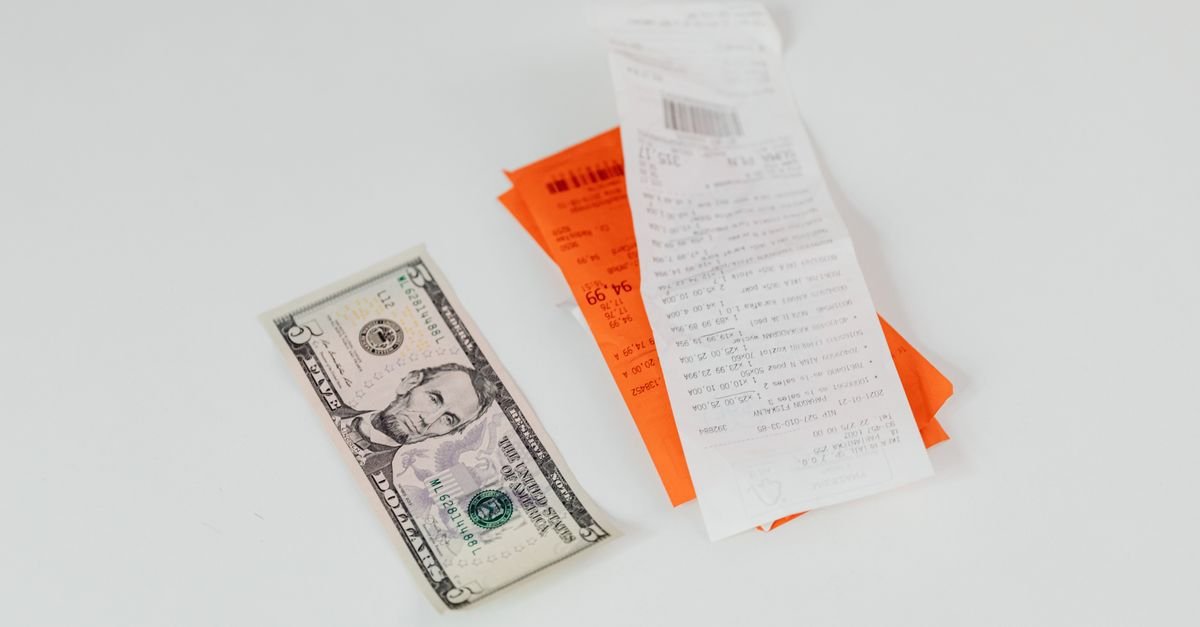
Transactional emails — order confirmations, receipts, password resets, shipping notifications, account alerts — are the emails people actually want and reliably open, which makes them one of email marketing's most underused opportunities. Too many businesses treat them as afterthoughts, functional and forgettable, when they're prime real estate: high-engagement, expected, trusted messages that can do far more than confirm a fact. Here's what transactional emails are, why they're valuable beyond their function, and how to do them right.
The definition and their unique property: transactional emails are triggered by a user's action and deliver information they're expecting — you bought something (order confirmation, receipt), you signed up (welcome/verification), you reset a password, your order shipped (tracking), your account changed (alert). What makes them special is engagement: because the recipient took an action and expects the email, transactional emails get dramatically higher open rates than marketing emails — people open a receipt or a shipping notification almost every time. They're also trusted and expected (nobody marks a password reset as spam), and they arrive at a high-attention moment (the person is actively engaged with you right then). This combination — high open rates, trust, and a captive attentive audience — makes transactional emails uniquely valuable real estate that most businesses squander by treating them as purely functional. They're distinct from bulk marketing, but they're an opportunity hiding in plain sight.
Before optimising them as opportunities, transactional emails must nail their core job — because a broken receipt or a delayed reset is a real problem: reliability and speed (they must arrive, and arrive promptly — a password reset that takes ten minutes or a confirmation that never comes damages trust and creates support burden, so use reliable sending infrastructure built for transactional volume); deliverability (they must reach the inbox without fail — often sent from separate transactional infrastructure to guarantee delivery, with proper authentication); clarity (the information must be clear and complete — the receipt legible, the tracking link working, the details correct); the right information (everything the recipient needs, nothing they don't); and mobile-friendly (opened on phones like everything else, per design best practices). Get the fundamentals right first — a transactional email that fails its core job is a liability no clever addition can fix.
Once they reliably do their job, transactional emails can do more — carefully: strengthen the brand and relationship (a well-designed, on-brand, warm confirmation beats a cold system-generated one — reinforcing the relationship at a high-attention moment); add genuinely useful next steps (a shipping email can include care tips or how-to-use content; an order confirmation can point to relevant resources — helpful, not pushy); tasteful, relevant cross-sell (a "you might also like" on an order confirmation, or a relevant offer — but secondary to the core information, never overshadowing it, and never at the cost of the email's clarity or trust); encourage engagement (invite them to follow you, join your list if they aren't on it, or review their purchase — leveraging the high-attention moment); and the crucial caution (respect the email's purpose and any legal constraints — some jurisdictions limit marketing content in transactional emails, and overloading a receipt with promotion undermines the trust that makes it valuable, per consent awareness). Done right — reliable first, opportunity second — transactional emails become high-engagement touchpoints that deepen the relationship with the audience content and authority build (our half).
An email triggered by a user's action that delivers information they're expecting — order confirmations, receipts, password resets, shipping notifications, account alerts, sign-up verifications. They differ from bulk marketing emails in that they're expected, trusted, and tied to a specific action the recipient took. This makes them get dramatically higher open rates than marketing email (people almost always open a receipt or shipping notification) — a high-engagement opportunity most businesses underuse by treating them as purely functional.
Carefully and secondarily — you can add tasteful, relevant cross-sell, useful next steps, and engagement invitations that leverage the high-attention moment, but never at the cost of the core information's clarity or the trust that makes these emails valuable. Also note some jurisdictions legally limit marketing content in transactional emails (they must remain primarily transactional), per consent awareness. The rule: reliable core function first, tasteful opportunity second — overloading a receipt with promotion undermines exactly what makes it work.
Because the recipient took an action and expects the email — a receipt after buying, a reset after requesting one, a shipping notification after ordering — so they open it almost every time, at a moment they're actively engaged with you. They're also trusted (nobody marks a password reset as spam). This combination of expectation, trust, and high-attention timing makes them uniquely valuable real estate — a high-engagement touchpoint to strengthen the relationship with the audience content and authority build, once the core function is rock-solid (our lane).
Every site on BacklinksMedia is verified, priced upfront and ready to order.
Growth engineer at BacklinksMedia, working on outreach analytics and the verified link marketplace.
Email Marketing
 Email Marketing
 Email Marketing