 Analytics & Measurement
The Analytics Audit: Is Your Data Telling Truth?
Jul 20, 2021
· 4 min read
SEO forecasting sets expectations and justifies investment - but false precision destroys credibility. How to forecast credibly with ranges, and present without overpromising.
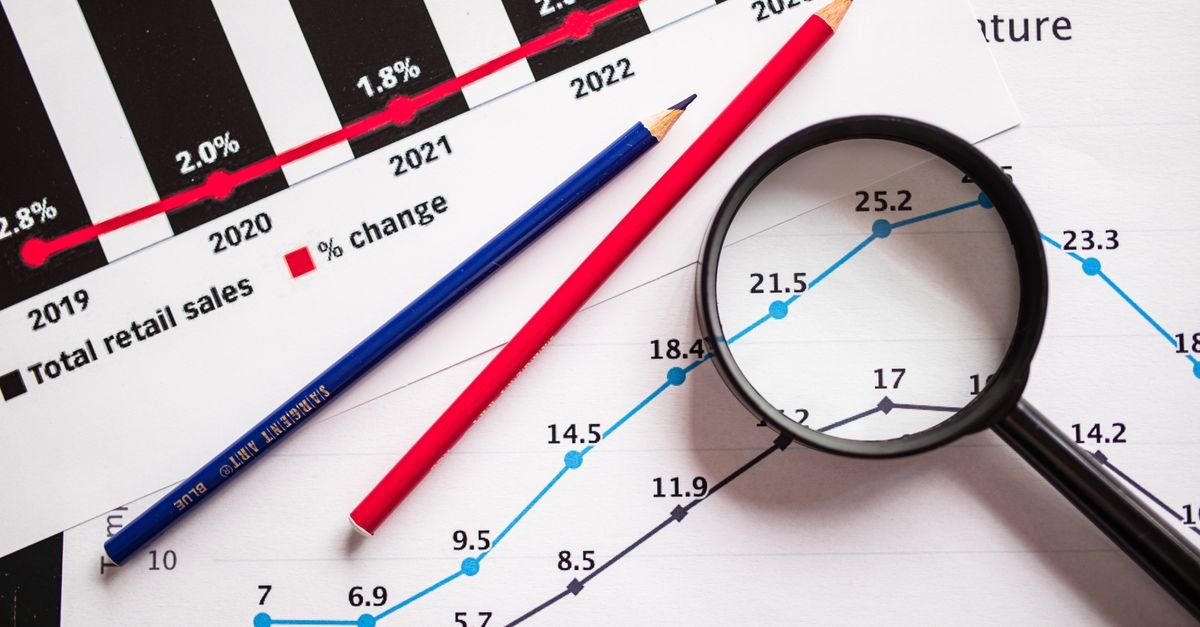
SEO forecasting — projecting the traffic, rankings and results your SEO efforts will produce — is how you set expectations, justify investment, and plan resources. It's also inherently uncertain, which makes it easy to do badly (confident numbers pulled from nowhere) and valuable to do well (honest ranges grounded in data). Here's how to forecast SEO credibly: the methods, the honesty that makes forecasts useful, and how to present them without overpromising.
The purpose and the challenge: forecasting sets expectations and justifies investment — stakeholders want to know "if we invest in SEO, what will we get and when?", and a credible forecast answers that, enabling planning and buy-in. But SEO forecasting is genuinely hard because the outcomes depend on factors you don't control: Google's algorithm updates, competitor moves, SERP changes, and the inherent lag and variability of SEO results (unlike paid, where you can more directly buy traffic). This means false precision is the cardinal sin — a forecast that says "we'll hit 47,300 visits in month 7" projects a confidence SEO can't support, and when it misses (as it will), it destroys credibility. The goal isn't a precise prediction; it's a credible, honest projection with ranges that sets realistic expectations and informs decisions — useful precisely because it acknowledges the uncertainty rather than papering over it.
The methods that ground a forecast in data rather than wishful thinking: start from your own baseline and trends (your current organic traffic, its growth rate, and seasonality — the empirical starting point, per the monitoring baseline); model from keyword opportunity (target keywords' search volumes × realistic ranking positions you can achieve × click-through rates by position = projected traffic — the bottom-up estimate grounded in real opportunity, not fantasy); account for the timeline (SEO lags — new content and authority take months to mature, so forecast the ramp, not instant results, per the compounding-over-time reality); use ranges and scenarios (conservative/expected/optimistic scenarios rather than a single number — honest about the uncertainty band); and factor in your actual capacity (a forecast assumes a level of execution — content produced, links earned — so tie the projection to the resources actually committed). A credible forecast is bottom-up, timeline-aware, ranged, and tied to real capacity — not a confident single number.
The communication that keeps forecasts useful and your credibility intact: lead with ranges and assumptions (present the scenario band and state clearly what the forecast assumes — the execution, the timeline, the stable-algorithm caveat — so nobody mistakes it for a guarantee); frame it as a projection, not a promise (SEO's uncontrollable factors mean forecasts guide expectations, not contracts — set that framing explicitly); update as you learn (a forecast is a living estimate — revise it as real data comes in, per the monitoring feedback); connect to outcomes, not just traffic (the forecast that matters is traffic → conversions → business value, per the outcome discipline — decision-makers care about results, not raw visits); and underpromise on timeline (SEO's lag means the honest timeline is longer than stakeholders hope — set it realistically to build trust when results arrive on schedule). Done honestly, forecasting builds trust and justifies the SEO investment — projecting the results content and authority will earn (our half), without the false precision that destroys credibility.
Bottom-up from data: start with your baseline traffic and growth trend, then model from keyword opportunity (target keywords' volumes × realistic rankings you can achieve × click-through rates by position), account for SEO's ramp-up timeline (results lag months), and present as ranges/scenarios (conservative/expected/optimistic) tied to your actual execution capacity. Ground it in real opportunity and honest timelines — not a confident single number pulled from hope.
Because SEO outcomes depend on factors you don't control — algorithm updates, competitors, SERP changes, and inherent variability — so a precise number ("47,300 visits in month 7") projects false confidence that SEO can't deliver, and when it misses (as it will), it destroys your credibility. Honest ranges and scenarios set realistic expectations and stay credible — the forecast's value is in guiding decisions, not pretending to certainty SEO doesn't have.
Directionally useful, not precisely accurate — SEO's uncontrollable factors (algorithm updates, competition, timing) mean even good forecasts are estimates with real uncertainty bands. That's why credible forecasting uses ranges, states assumptions, frames projections as guidance not guarantees, and updates as real data arrives (per the monitoring feedback). Treat forecasts as planning tools that set expectations, not promises — projecting the results content and authority earn (our lane).
Every site on BacklinksMedia is verified, priced upfront and ready to order.
Growth engineer at BacklinksMedia, working on outreach analytics and the verified link marketplace.
Analytics & Measurement
 Analytics & Measurement
 Analytics & Measurement