 PPC & Google Ads
Scaling PPC Campaigns Profitably
Jun 07, 2022
· 5 min read
The landing page is where PPC money is made or lost. Why it decides everything, the principles of high-converting pages, and aligning them with your ads.
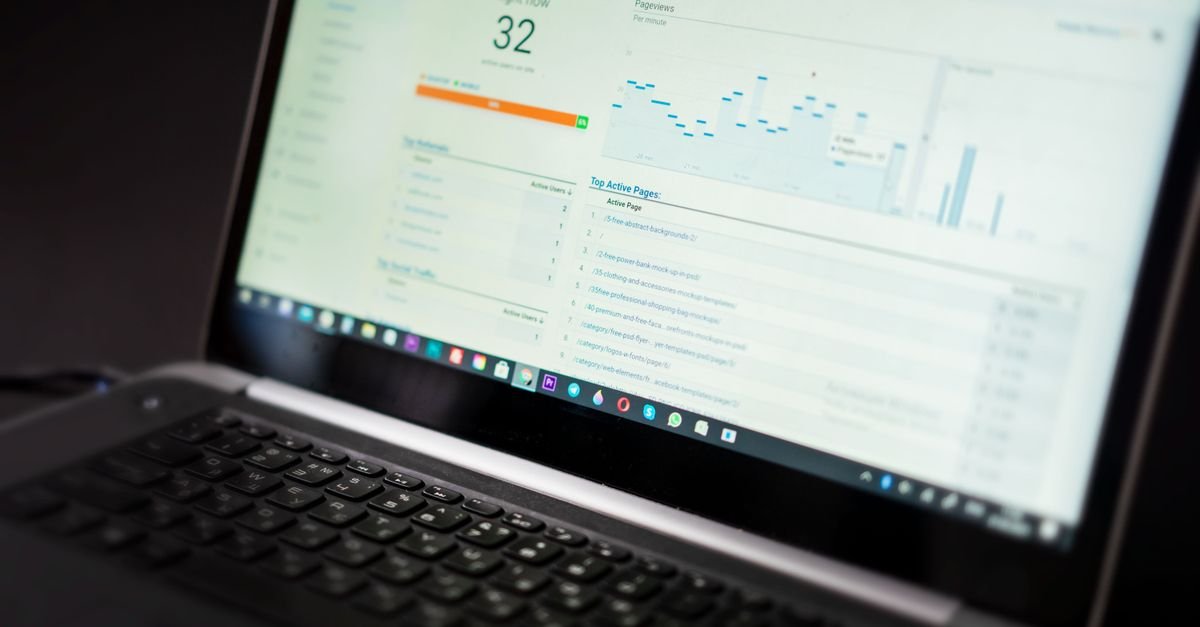
The PPC landing page is where the money is made or lost — because you can have perfect ads, keywords and bidding, but if the page the click lands on doesn't convert, you've paid for a visitor who leaves empty-handed. The landing page is the conversion point of your entire PPC investment, and optimising it is often the highest-leverage improvement available. Here's how to build PPC landing pages that convert: why they matter so much, the principles, and how to align them with your ads.
The reason landing pages are so critical: everything upstream in PPC exists to deliver a click to the landing page — and the landing page decides whether that click becomes a conversion or a waste. You pay for the click regardless; whether you get a return depends entirely on whether the page converts. This makes the landing page the leverage point: improving conversion rate multiplies the return on your entire PPC spend — doubling your landing page's conversion rate effectively doubles the value of every click you're already paying for, across all your campaigns. It's also where much PPC budget is quietly wasted: advertisers optimise ads and bids obsessively while sending clicks to weak, generic, or slow pages that squander them. And the landing page feeds back into cost: Quality Score includes landing page experience, so a good page also lowers your click costs. The landing page is thus doubly important — it converts the traffic you paid for and improves your Quality Score — making it one of the highest-return things to get right in all of PPC. Neglecting it while polishing ads is optimising the wrong end.
What makes a PPC landing page convert: message match with the ad (the page must deliver exactly what the ad promised — the same offer, message, and intent — so the visitor immediately sees they're in the right place; a mismatch between ad and page loses conversions instantly and hurts Quality Score); relevance to the search intent (the page should match what the searcher wanted, continuing the query-to-ad-to-page relevance chain); a clear, single focus and call-to-action (a PPC landing page should focus on one conversion goal with an unmistakable CTA — not distract with navigation, competing offers, or clutter, per the conversion discipline); fast load and mobile-friendliness (a slow or mobile-hostile page loses paid visitors immediately — speed and mobile experience are non-negotiable); a compelling value proposition and proof (clearly communicate the benefit and back it with trust signals — testimonials, proof, credibility — that overcome hesitation); minimal friction (make converting easy — short forms, clear steps, no unnecessary barriers); and a focused, distraction-free design (dedicated landing pages that keep the visitor on the path to conversion, rather than sending paid traffic to a cluttered general page). Message match, single clear focus, speed, proof, and minimal friction are the conversion fundamentals.
The practices that make landing pages work with your PPC: match page to ad to keyword (each ad group's ads should point to a landing page matching that group's specific intent and offer — the structure-to-page alignment that completes the relevance chain, so tightly-themed ad groups deserve tightly-matched pages); use dedicated landing pages, not generic ones (sending paid clicks to your homepage or a generic page wastes them — dedicated pages focused on the specific offer and conversion convert far better); ensure message match rigorously (the ad's promise must be the page's headline and focus — continuity from click to page); optimise for conversion continuously (test and improve headlines, CTAs, forms, proof and layout — landing page optimisation is CRO applied to your highest-leverage pages, and small conversion gains multiply across all your paid spend); track conversions properly (measure what the page actually converts via conversion tracking, so you can optimise and so Smart Bidding has data); keep it fast and mobile-first (protecting the paid visitors you worked to get); and treat it as part of the campaign, not an afterthought (the landing page is where PPC succeeds or fails, so give it the attention it deserves). Align the page tightly with your ads and optimise it relentlessly — because improving the landing page multiplies the return on your entire PPC investment, turning ad spend into conversions alongside the authority you build (our half).
Because the landing page is the conversion point of your entire PPC investment — you pay for the click regardless, but whether you get a return depends entirely on whether the page converts. Improving its conversion rate multiplies the return on all your PPC spend (doubling conversion rate roughly doubles the value of every click). It also feeds Quality Score (landing page experience lowers your costs). So the landing page both converts the traffic you paid for and cuts your click costs — one of the highest-return things to get right in PPC, yet often neglected while ads get all the attention.
Message match with the ad (delivering exactly what the ad promised, so visitors see they're in the right place — a mismatch loses conversions and hurts Quality Score), relevance to search intent, a single clear focus and call-to-action (no distractions), fast load and mobile-friendliness (paid visitors leave slow pages instantly), a compelling value proposition with proof/trust signals, and minimal friction (short forms, easy steps). Use dedicated pages focused on the specific offer, not a generic homepage. Message match, single focus, speed, proof, and low friction are the conversion fundamentals.
Generally no — sending paid clicks to your homepage or a generic page wastes them, because those pages aren't focused on the specific offer and conversion the searcher wanted. Dedicated landing pages that match the ad's promise and the search intent, with a single clear focus and CTA, convert far better. Each ad group's ads should point to a page matching that group's specific intent (the structure-to-page alignment). Dedicated, message-matched landing pages are one of the biggest levers on PPC return — turning the clicks you paid for into conversions alongside the authority you build (our lane).
Every site on BacklinksMedia is verified, priced upfront and ready to order.
Growth engineer at BacklinksMedia, working on outreach analytics and the verified link marketplace.
PPC & Google Ads
 PPC & Google Ads
 PPC & Google Ads