 Case Studies & Experiments
When Doubling Publishing Frequency Backfired
Sep 03, 2020
· 3 min read
187 pitches, 24 placements, 17 links: the ninety-day funnel, the patterns behind winning pitches, and the best links-per-hour ratio we have measured.
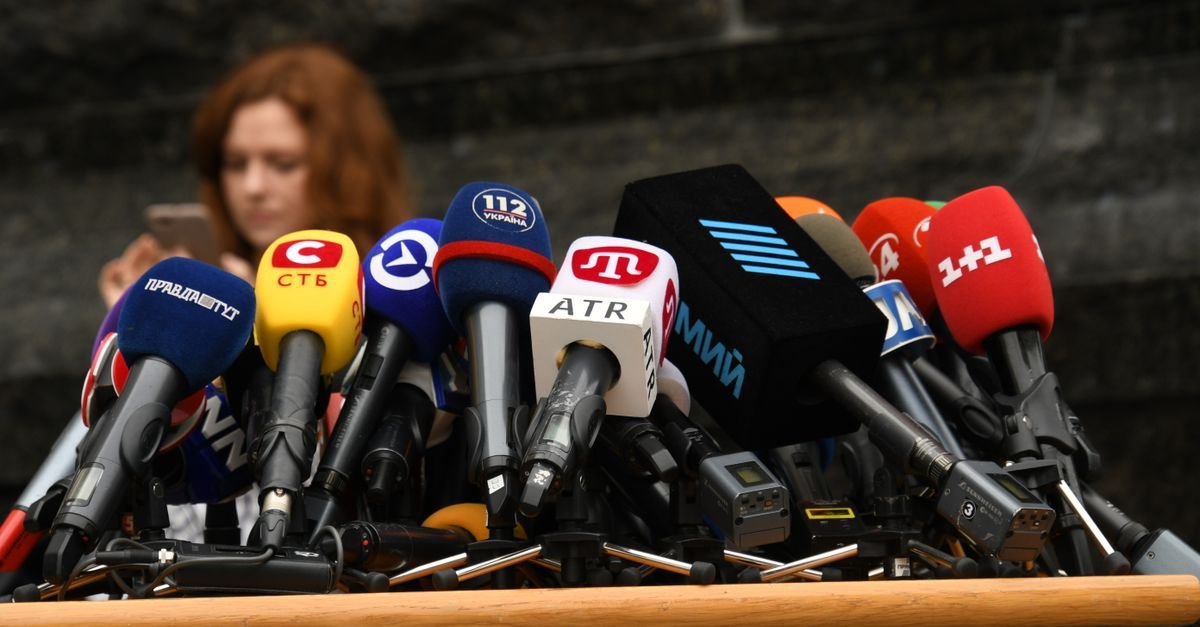
HARO-style journalist request platforms promise media links for the price of attention — so we priced the attention: three months of daily pitching, one credentialed operator (a marketing lead with genuine expertise to quote), thirty to forty-five minutes a day, every relevant request answered per the playbook's rules. Here are the ninety-day numbers, the pattern behind which pitches won, and the honest verdict on the tactic's place in a programme.
Requests filtered to genuine expertise only (marketing, SEO, small-business operations — no cosplay as a nutritionist, which is both ethics and strategy: fabricated expertise is the fastest way onto journalists' burn lists); answers sent within two hours of the digest where possible (speed is half the game — reporters fill quotes first-come at deadline); every pitch self-contained (the quote ready to paste, credentials in two lines, no "happy to discuss further" padding); and everything logged — request, outlet tier, sent time, outcome.
Reviewing the 24 wins against the 163 misses, three patterns held: specificity beat authority — pitches with a concrete number, example or contrarian-but-defensible take won; generic sound advice lost even with better credentials attached; the first hour mattered enormously — same-hour responses won at roughly triple the rate of same-day ones (deadline physics); and smaller requests converted better — everyone pitches the national-outlet queries (hundreds of competing responses); the industry-publication requests converted at several times the rate and produced the more topically relevant links anyway, per the relevance-over-glamour rule.
Total time: roughly 40 hours across the quarter — ~1.7 hours per placement, ~2.4 per linked placement: the best links-per-hour ratio we've measured in any earned tactic (beating even the broken-link campaign's 3/hour), with the placements skewing higher-authority than any cold outreach reaches. The honest limits: the yield requires real quotable expertise and daily consistency (sporadic pitching missed the deadline-shaped wins entirely in our first attempt), the links skew nofollow at the top tier (fine — that's the corroboration layer working), and the tactic builds your people's profile as much as the domain's — a feature for founder-led brands, a succession risk if the quoted expert leaves. Programme placement: a standing daily habit for whoever genuinely has the expertise, forever — it's the closest thing to compounding the tactic list contains.
The nofollow experiment covers the mechanics — short version: no direct equity, real everything else: referral readers, rater-visible reputation, brand queries, and the byline that warms every later pitch. Our three national placements outperformed most dofollows on every metric except the link graph.
Crowding is real on the marquee requests and irrelevant on the long tail — the industry-publication tier where our conversion actually lived stays under-pitched. The edge is the same as three years ago: speed, specificity, genuine credentials — rarer than access.
Only with a real expert supplying the substance — ghost-pitched platitudes under a client's name convert poorly and risk their reputation. The working model is interview-and-draft: expert's take, operator's speed. That pairing, plus the placement channels we run directly, is the standard earned-media stack (ask us).
Every site on BacklinksMedia is verified, priced upfront and ready to order.
Growth engineer at BacklinksMedia, working on outreach analytics and the verified link marketplace.
Case Studies & Experiments
 Case Studies & Experiments
 Case Studies & Experiments