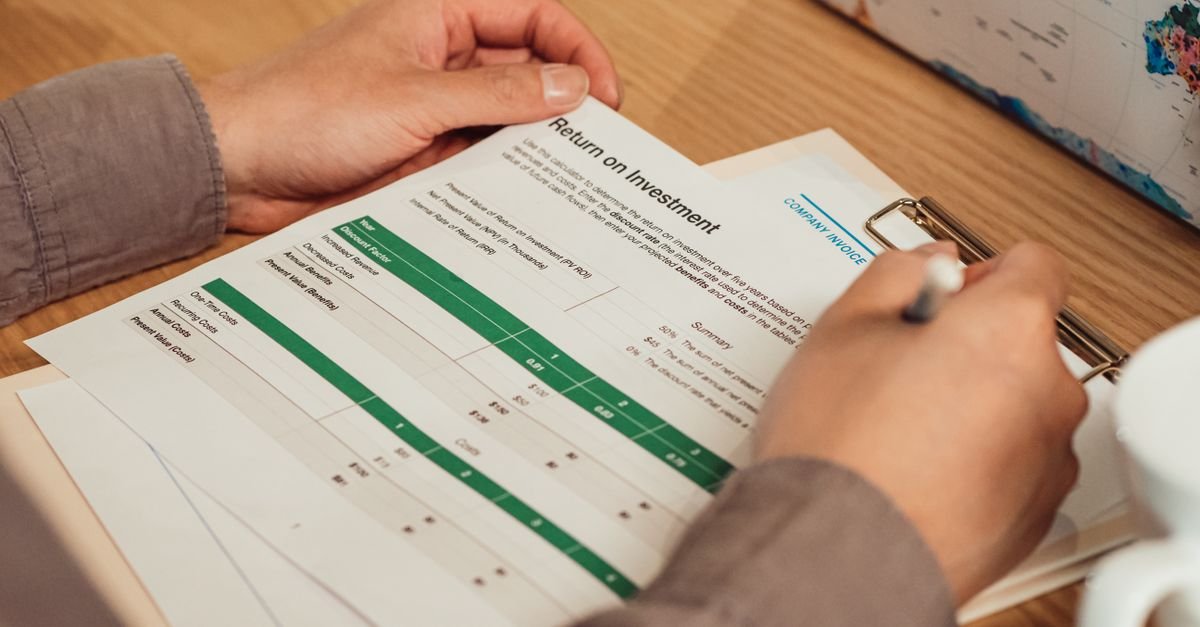
 Email Marketing
Calculating Email Marketing ROI
Sep 13, 2021
· 4 min read
The subject line is the gatekeeper of email. The psychology that drives the open, the formulas that work, and the mistakes that kill your open rate.

The subject line is the gatekeeper of email marketing — no matter how good the email inside, if the subject doesn't earn the open, none of it gets read. It's the highest-leverage handful of words in your whole campaign, and getting it right is part craft, part testing. Here's how to write subject lines that get opens: the psychology that drives the click, the formulas that work, and the mistakes that kill your open rate.
The subject line competes in a crowded inbox for a split-second decision, and the openers win on a few psychological levers: curiosity (a subject that opens a loop the reader needs to close — hinting at something they want to know — pulls the open, as long as it's honest and pays off inside); relevance and self-interest (the reader opens what's clearly about them and their problem or desire — which is why segmentation lifts open rates: a relevant subject to the right person beats a clever subject to the wrong one); value or benefit (a clear promise of something useful — the reader knows what they'll get and wants it); urgency or timeliness (a genuine reason to open now — used honestly, not as fake pressure); and specificity (concrete beats vague — numbers, specifics and clarity outperform generic wording). The best subject lines combine relevance with one of these hooks — making the reader feel this email is worth their two seconds, honestly.
Reliable subject-line patterns you can adapt (not to use robotically, but as starting points): the how-to/benefit ("How to [achieve desired outcome]" — clear value); the number/list ("7 ways to [solve problem]" — specific and scannable); the curiosity gap ("The mistake most people make with X" — opens a loop, honestly closed inside); the question ("Are you making this X mistake?" — engages the reader's self-interest); the personal/direct (a plain, personal-sounding subject like a note from a friend — often outperforms polished marketing copy precisely because it doesn't look like marketing); the urgency ("Last day for X" — when genuinely time-bound); and the pattern-interrupt (unexpected phrasing that stands out in a sea of similar subjects). Pair these with the preheader text (the preview snippet that extends and complements the subject — the two work as a unit). Formulas are scaffolding — the real skill is matching the hook to your audience and message, then testing.
The subject-line killers and how to beat them: the biggest mistake is clickbait that doesn't pay off (a subject that over-promises and under-delivers gets the open once, then trains the reader to ignore and distrust you — and erodes engagement, which hurts deliverability — so every subject must honestly reflect what's inside); vague and generic (subjects that could apply to any email get ignored — specificity wins); spammy signals (ALL CAPS, excessive punctuation, spam-trigger phrasing — hurts both opens and inbox placement); too long (subjects get truncated, especially on mobile — front-load the important words); and the discipline that beats guessing: A/B testing. Because what works varies by audience, the reliable path to better subject lines is testing them — trying variations, measuring open rates, and learning what your readers respond to. Craft gets you a strong hypothesis; testing tells you the truth — the discipline that turns subject lines into a compounding advantage for the list content and authority build (our half).
Relevance to the reader combined with a hook — curiosity (an honest open loop), clear value/benefit, self-interest, genuine urgency, or specificity (concrete beats vague). The best subjects make the reader feel the email is worth two seconds, honestly. And relevance matters most: a relevant subject to the right person (via segmentation) beats a clever one to the wrong person. Pair it with strong preheader text — they work as a unit.
Short enough to not get truncated — especially on mobile, where subjects cut off quickly, so front-load the important words in the first few. There's no magic number (it varies by device and inbox), but concise, specific subjects generally outperform long ones, and the key words should land before any truncation. Use the preheader to extend the message. As always, test to find what works for your audience.
Only once, then it backfires — a subject that over-promises and under-delivers earns the open the first time but trains readers to distrust and ignore you, dropping engagement (which also hurts deliverability). Curiosity and intrigue are powerful, but only when the email honestly pays off the promise. Write compelling subjects that accurately reflect what's inside — that builds the trust and engagement that sustain open rates over time, growing the value of the list content and authority feed (our lane).
Every site on BacklinksMedia is verified, priced upfront and ready to order.
Growth engineer at BacklinksMedia, working on outreach analytics and the verified link marketplace.
Email Marketing
 Email Marketing
 Email Marketing