 Blogging & Monetisation
Selling a Blog: Valuation and Process
Apr 20, 2021
· 4 min read
Where bloggers learn what works or drown in noise: the metrics that drive decisions, the vanity ones to ignore, and the review rhythm.
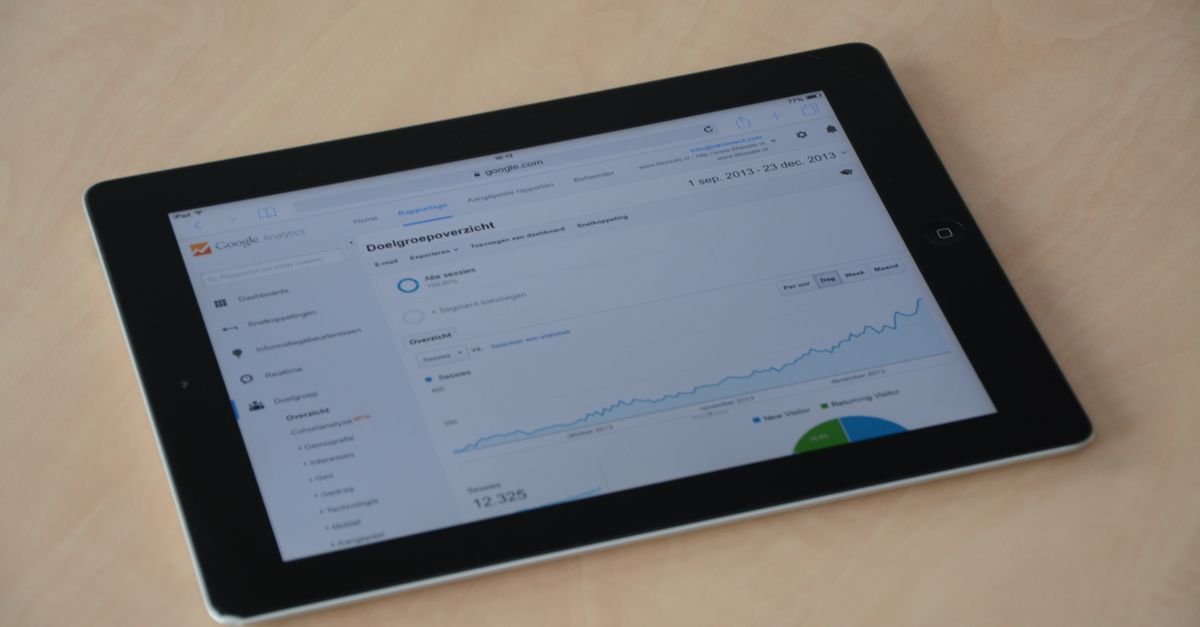
Blog analytics is where bloggers either learn what's working or drown in numbers that change nothing — because the tools report hundreds of metrics and most are noise for a blog's actual decisions. The skill isn't collecting data; it's knowing the few numbers that should drive action and ignoring the vanity metrics that feel like progress. Here's what to actually track, what to ignore, and the review rhythm that turns analytics into decisions.
The numbers that feel like progress and drive nothing: raw pageviews as a headline (a big number that says little without source, intent and conversion context — the it's-relative and money-pages-vs-blog splits matter more than the total); social vanity (followers, likes — the amplifier metrics that rarely drive blog outcomes); bounce rate obsessed over (context-dependent and often misread — a high bounce on an answer-delivered post is success, per the rules); and daily fluctuation (noise — the wobble-vs-trend discipline: read trends over weeks, not the daily jitter that drives anxiety and no good decisions). The test for any metric: does watching it change what I do? If not, it's a vanity number, however satisfying.
The cadence that makes analytics actionable rather than obsessive: monthly Search Console review (the CTR-mine rewrites, the page-two-refresh candidates, the indexing check — the highest-ROI half-hour, turning data into a work queue); quarterly deeper pass (traffic-source health, per-post performance for the audit's keep/update/prune, conversion trends); and the discipline of not checking daily (the daily-numbers habit is anxiety, not analysis — the trends that drive decisions are visible monthly, and the daily fluctuation is noise that produces worse decisions if acted on, per the weather-vs-climate rule). Analytics serves the blog when it's read on a rhythm and drives action; it drowns the blogger when it's checked compulsively and drives nothing — the difference between the metrics running the blog and the blogger running the blog by the metrics.
Depends on stage and goal, but for most: the business action your blog exists for (signups, sales, inquiries) — the number that's actually the point, versus the pageviews that are a means to it. Early on, impressions trend (the leading indicator that it's working); later, the conversion metric. Never raw pageviews alone — they're an input, not an outcome.
Rarely for a blog — Search Console (free, and the most important tool) plus analytics (free) cover the decisions; the paid tiers and third-party tools add capabilities most bloggers don't need, per the free-stack reality. Spend the tool budget on content and authority before analytics upgrades.
Monthly for the Search Console action-review, quarterly for the deeper pass, and not daily — the daily check is anxiety without insight (trends that matter show monthly; daily is noise). The rhythm turns analytics into decisions; the compulsion turns it into stress that produces worse decisions. Read on a cadence, act on trends — the growth itself running on content plus authority (our engine).
Every site on BacklinksMedia is verified, priced upfront and ready to order.
Growth engineer at BacklinksMedia, working on outreach analytics and the verified link marketplace.
Blogging & Monetisation
 Blogging & Monetisation
 Blogging & Monetisation