 Affiliate Marketing
Realistic Affiliate Income Timelines
Nov 26, 2022
· 6 min read
Amazon Associates is where many affiliates start - accessible, trusted, high-converting. Why it is a great starting point, its limitations, and how to succeed with it.
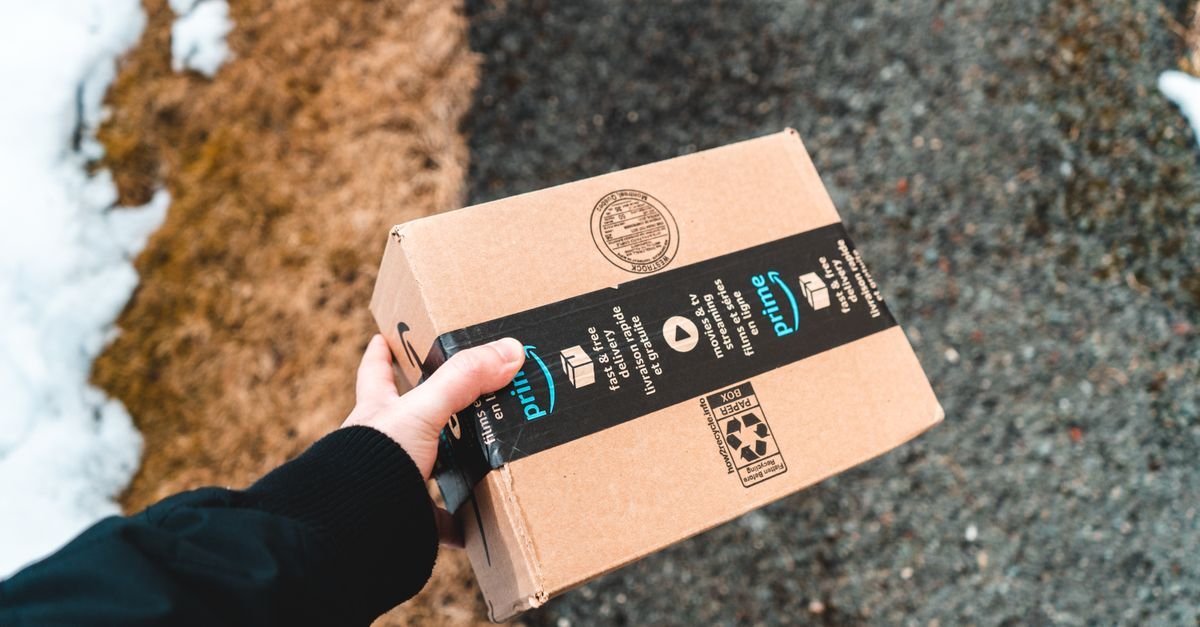
Amazon Associates is the affiliate programme most people start with, and for good reason — it's accessible, trusted, converts well, and offers an enormous product range. But it also has real limitations (low commissions, a short cookie window) that shape how to use it well. Here's a guide to Amazon Associates: why it's a great starting point, its limitations, and how to succeed with it.
The reasons so many affiliates begin with Amazon: enormous product range (Amazon sells almost everything, so whatever your niche, there are relevant products to promote — you're never short of things to recommend); high trust and conversion (people already know, trust, and shop on Amazon, so once you send them there, Amazon's trusted, optimised checkout converts well — you benefit from Amazon's conversion machine); you earn on the whole cart (a valuable quirk — you typically earn commission on everything the person buys after clicking your link within the window, not just the product you recommended, so a click that leads to a big shopping trip earns you commission on all of it); easy to join and use (accessible to beginners, straightforward to get links and start); and it's a great learning platform (its accessibility and easy conversion make it ideal for learning affiliate marketing fundamentals). This combination — vast range, high trust and conversion, whole-cart earnings, and accessibility — makes Amazon Associates an excellent entry point, letting beginners learn the ropes with a programme that converts well and always has relevant products. It's why Amazon is the default starting programme for so many affiliates, and a solid foundation to build affiliate skills on before expanding to higher-commission programmes.
The real drawbacks that shape how to use Amazon: low commission rates (Amazon's commission rates are relatively low (and vary by category), so you earn a small percentage per sale — meaning Amazon is volume-dependent, requiring substantial traffic to earn significantly, and often earning less per sale than other programmes); a short cookie window (Amazon's cookie window is short (around 24 hours typically), so the buyer must purchase quickly after clicking or you lose the credit — unlike programmes with longer windows that capture delayed purchases, per how it works); rate changes and dependency (Amazon has cut commission rates before and controls the terms, so relying solely on Amazon is risky — you're dependent on its decisions); strict terms and enforcement (Amazon has strict programme rules and enforces them, including disclosure requirements and prohibited practices — violations can get you removed); and the whole-cart benefit is limited by the short window (you earn on the cart, but only within that short window). These limitations — low commissions, short window, dependency, and strict terms — mean Amazon is excellent for volume and learning but often not the highest-earning option, and shouldn't be your only programme. Understanding them lets you use Amazon for its strengths (volume, conversion, learning) while not over-relying on it or expecting high per-sale earnings.
The practices for earning well with Amazon: drive volume with buyer-intent traffic (since Amazon is volume-dependent and short-window, target buyer-intent traffic — people ready to buy who'll purchase quickly, maximising conversions within the short window); create buying-focused content (product reviews, comparison tables, "best" and buying-guide content that captures people ready to purchase — the content that converts on Amazon); leverage the whole-cart earning (since you earn on everything bought within the window, sending engaged buyers to Amazon can earn commission across their whole cart); optimise for quick conversion (given the short window, make it easy and compelling to buy promptly); use it for volume and learning, but diversify (Amazon is great for volume and learning, but supplement it with higher-commission programmes — high-ticket, recurring — so you're not solely dependent on Amazon's low rates and control); follow the strict terms (comply with Amazon's rules and disclosure requirements to stay in the programme); and optimise conversion (per conversion optimisation — turning your traffic into the volume Amazon needs). Use Amazon for its strengths — volume, conversion, whole-cart earnings, learning — target buyer-intent traffic, comply with terms, and diversify beyond it, turning your content and authority into affiliate income (our half).
Yes — it's an excellent starting point because of its enormous product range (relevant products for any niche), high trust and conversion (people already shop on Amazon, so its checkout converts well), whole-cart earnings (you earn commission on everything bought within the window, not just what you recommended), and accessibility (easy to join and use). This makes it ideal for learning affiliate fundamentals with a programme that converts well. But understand its limitations (low commissions, short cookie window) — use it for volume and learning, then diversify to higher-commission programmes.
Amazon's commission rates are relatively low (and vary by category) by design — Amazon relies on its scale, trust, and conversion to make the programme worthwhile through volume rather than high per-sale rates. This means Amazon is volume-dependent (requiring substantial traffic to earn significantly) and often earns less per sale than other programmes, compounded by its short (~24-hour) cookie window. The upside is high conversion and whole-cart earnings; the downside is low rates. Use Amazon for volume and learning, but diversify to high-ticket and recurring programmes for higher per-sale earnings.
Drive volume with buyer-intent traffic (people ready to buy who'll purchase quickly within the short window), create buying-focused content (reviews, comparison tables, buying guides that convert), leverage the whole-cart earning (you earn on everything bought within the window), optimise for quick conversion (given the short window), and follow Amazon's strict terms and disclosure rules. Since Amazon is volume-dependent with low rates, also diversify to higher-commission programmes — using Amazon for volume, conversion and learning while building income across programmes on the content and authority you build (our lane).
Every site on BacklinksMedia is verified, priced upfront and ready to order.
Growth engineer at BacklinksMedia, working on outreach analytics and the verified link marketplace.
Affiliate Marketing
 Affiliate Marketing
 Affiliate Marketing